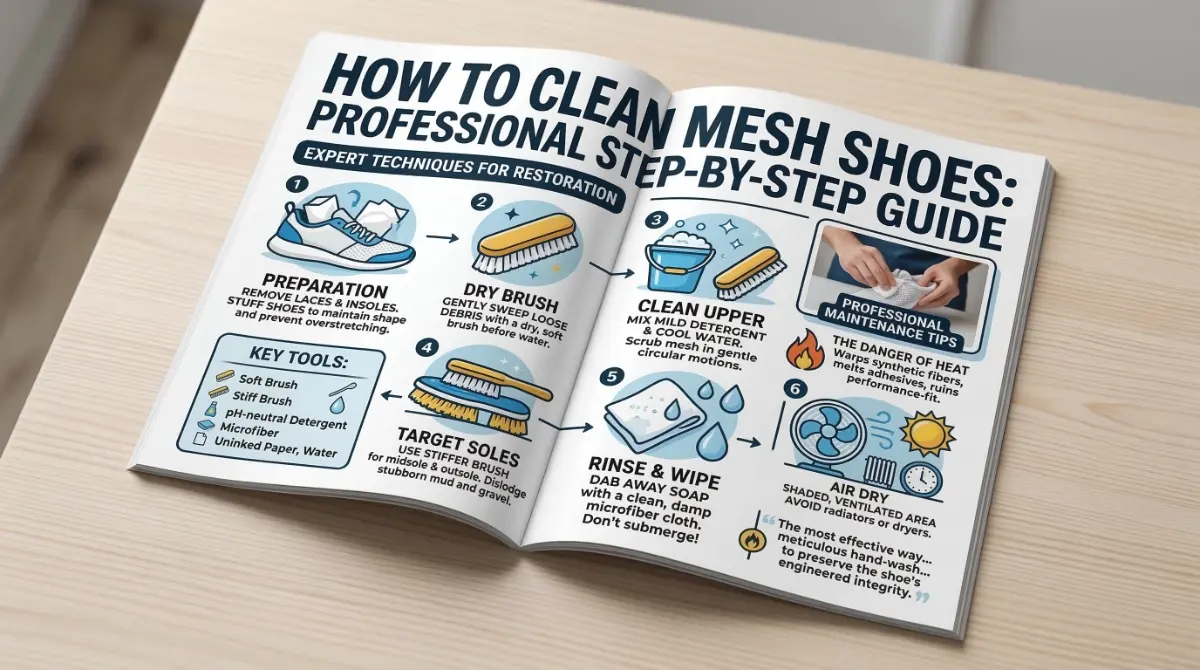
Mesh shoes are prized for their breathability and lightweight performance, but their porous nature makes them a magnet for dirt, dust, and environmental pollutants. When grime becomes embedded in the delicate knit fibers, it doesn’t just look unsightly; it can actually act as an abrasive, weakening the material over time. Many owners make the mistake of using aggressive scrubbing or high heat, which can lead to permanent fraying or structural collapse. The most effective way to restore your trainers is a meticulous hand-wash using mild agents and room-temperature air drying to preserve the shoe’s engineered integrity.
Quick Steps Summary
- Preparation: Remove laces and insoles; stuff shoes with paper to hold shape.
- Dry Brush: Gently sweep away loose surface debris with a soft brush.
- Clean Upper: Use a mix of mild detergent and cool water to scrub the mesh in circular motions.
- Target Soles: Use a stiffer brush for the midsole and outsole grime.
- Rinse & Wipe: Dab away soap residue with a damp microfiber cloth.
- Air Dry: Allow to dry in a shaded, ventilated area for 24–48 hours.
What tools and supplies are required for cleaning mesh?
Effective restoration begins with the right chemistry and physical tools, as using standard household items can often do more harm than good. A professional-grade approach requires specific brushes that accommodate the varying densities of the shoe’s components.
Selecting the Right Brushes
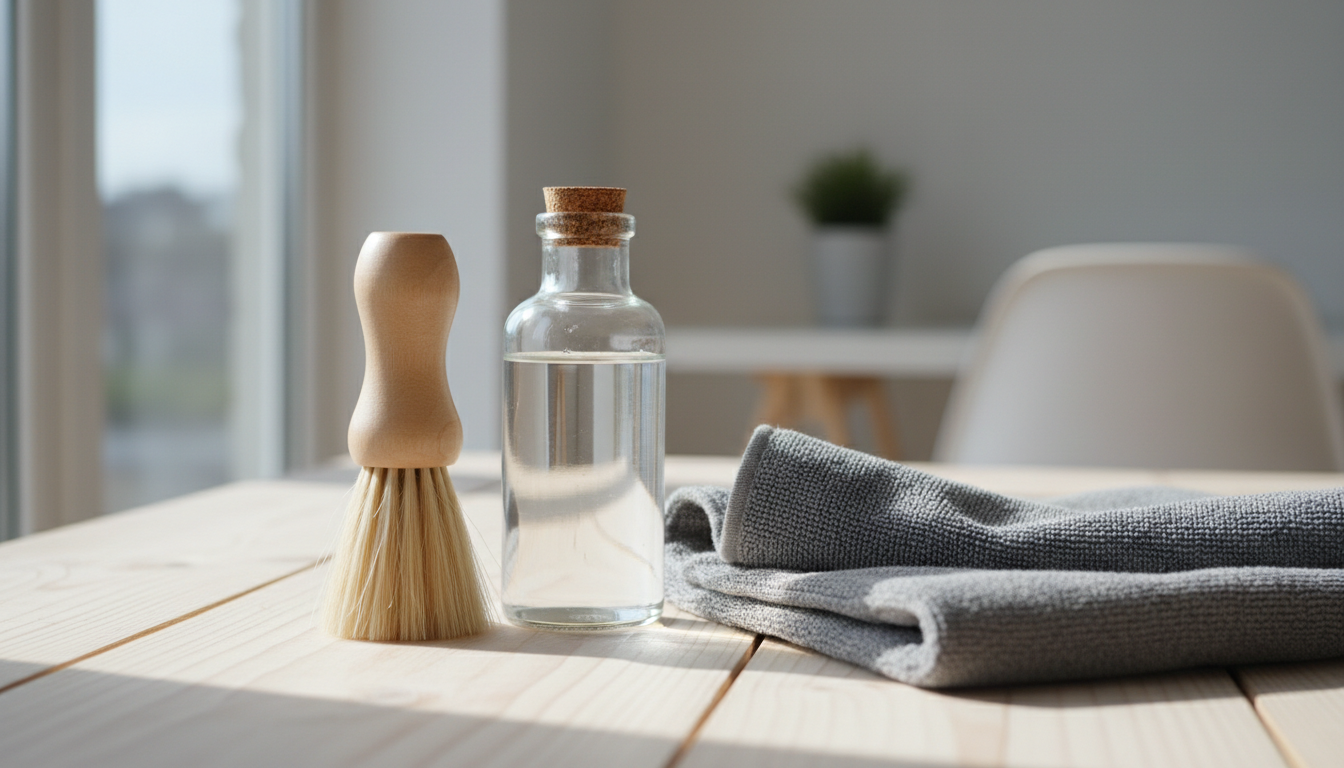
The foundation of your kit should include at least two types of brushes. For the delicate mesh upper, a soft-bristle brush (like hog hair) is essential to prevent snagging. For the rubber outsoles and foam midsoles, a medium or stiff-bristle brush is necessary to dislodge stubborn gravel and mud. Using a stiff brush on mesh is a common error that leads to the “fuzzy” appearance of frayed fibers.
Safe Cleaning Solutions
Avoid harsh bleaches or industrial solvents. Instead, opt for specialized sneaker cleaners or a pH-neutral mild laundry detergent. For those managing a larger collection or looking for professional-grade maintenance supplies, https://tlstage.com/ offers extensive resources on high-quality footwear care and materials.
Essential Accessories
Microfiber towels are superior to cotton because they lift moisture without shedding lint. Additionally, ensure you have white uninked paper or shoe trees to provide internal support during the cleaning process.
How do you prepare mesh shoes for a deep clean?
Preparation is the most underrated phase of the cleaning process, yet it is critical for preventing the redistribution of dirt during the wet phase. Skipping these steps often results in surface dust turning into a liquid slurry that penetrates deeper into the mesh weave.
Deconstructing the Footwear
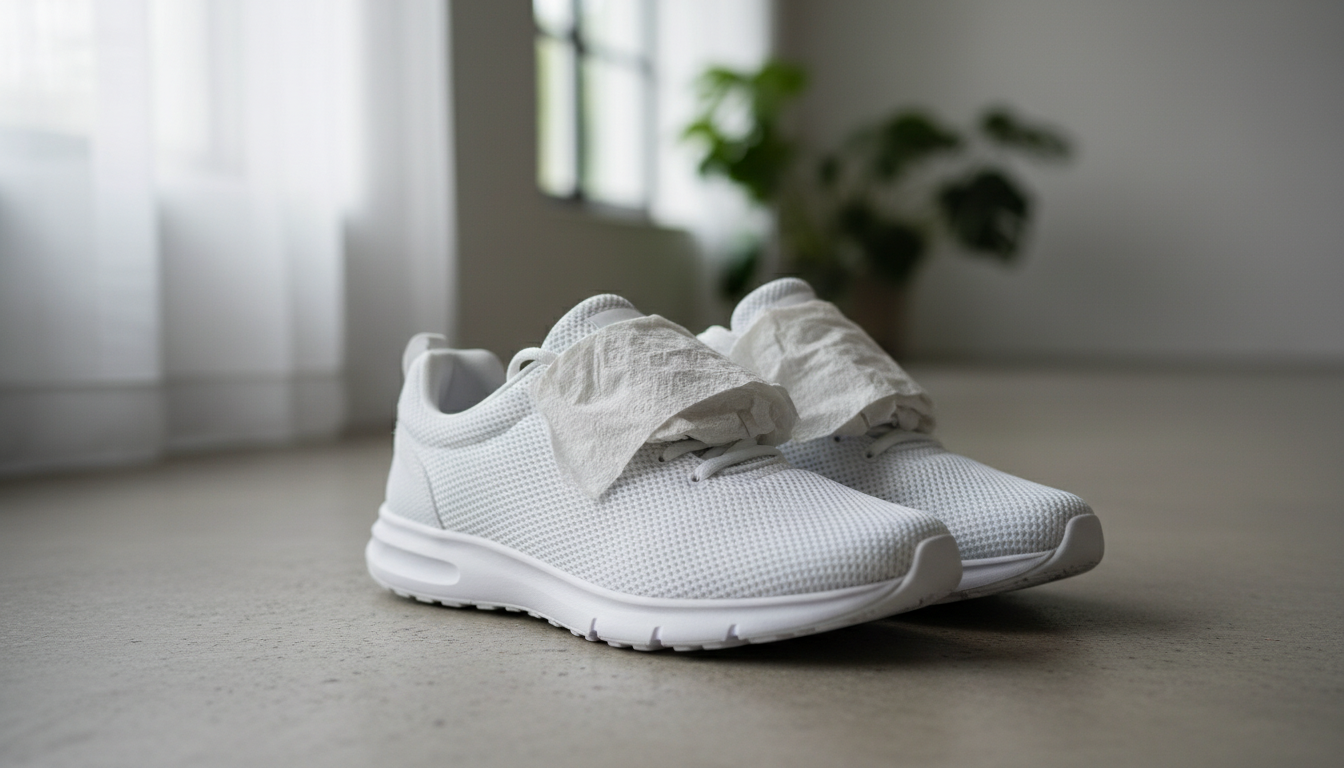
Start by removing the shoelaces and insoles. This allows you to access the eyelets and the interior footbed where sand and bacteria often accumulate. Laces can be cleaned separately by soaking them in a detergent solution, while insoles should be wiped down to address odors without damaging their foam structure.
The Importance of Dry Brushing
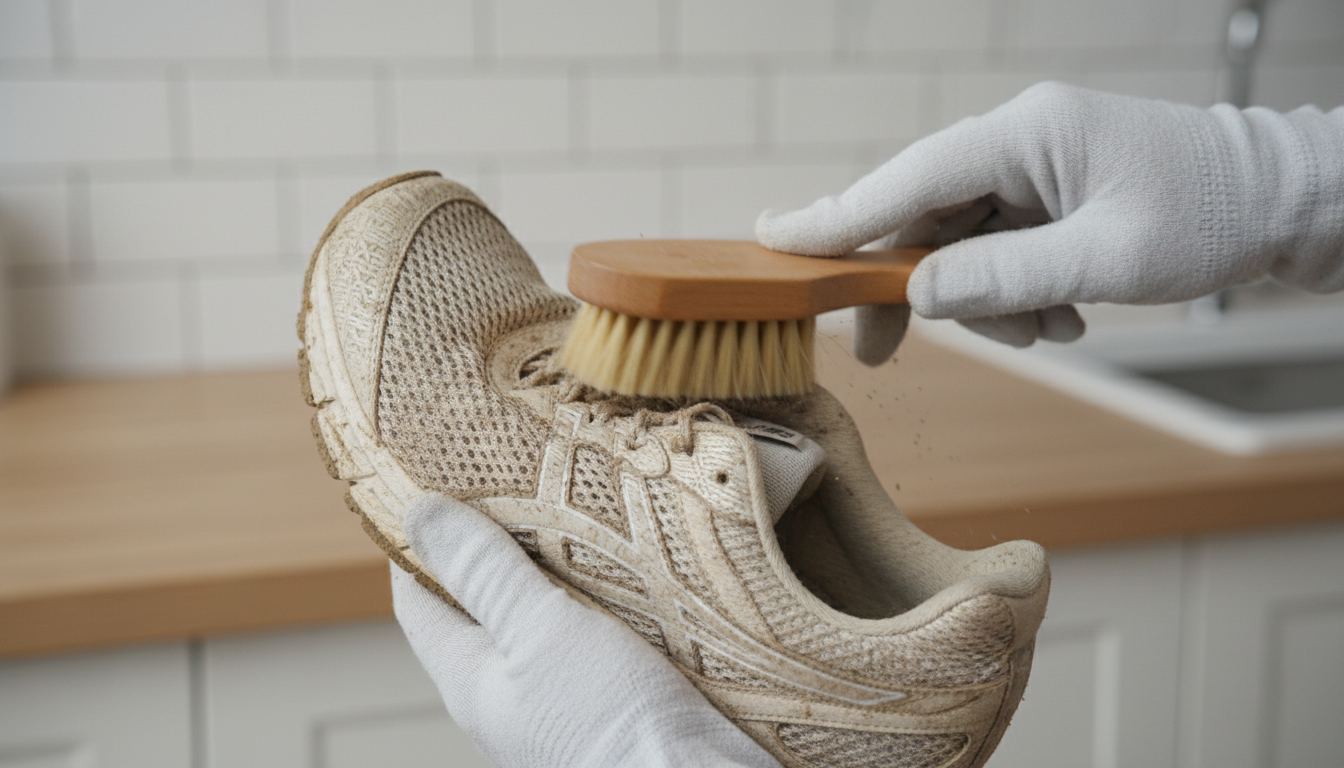
Before introducing water, use a dry, soft brush to sweep the entire surface of the shoe. This removes loose dust and dried mud. Tapping the outsoles together over a bin will also dislodge trapped stones that could otherwise scratch the upper during scrubbing.
Maintaining Structural Integrity
When mesh gets wet, it loses its rigidity. You must firmly stuff the interior with clean washcloths or paper towels to mimic the shape of a foot. This provides a solid surface to brush against and prevents the shoe from collapsing or stretching out of shape.
Manufacturer Pro Tip #1: Nike advises that maintaining the shoe’s shape during cleaning is critical for performance-fit shoes like Flyknit to ensure they don’t overstretch when wet.
What is the professional technique for hand washing mesh?
Hand washing is the gold standard for mesh footwear because it allows for precision and control that a machine simply cannot provide. By focusing on zonal cleaning, you ensure that grease from the soles never touches the porous upper.
Mixing and Applying the Solution
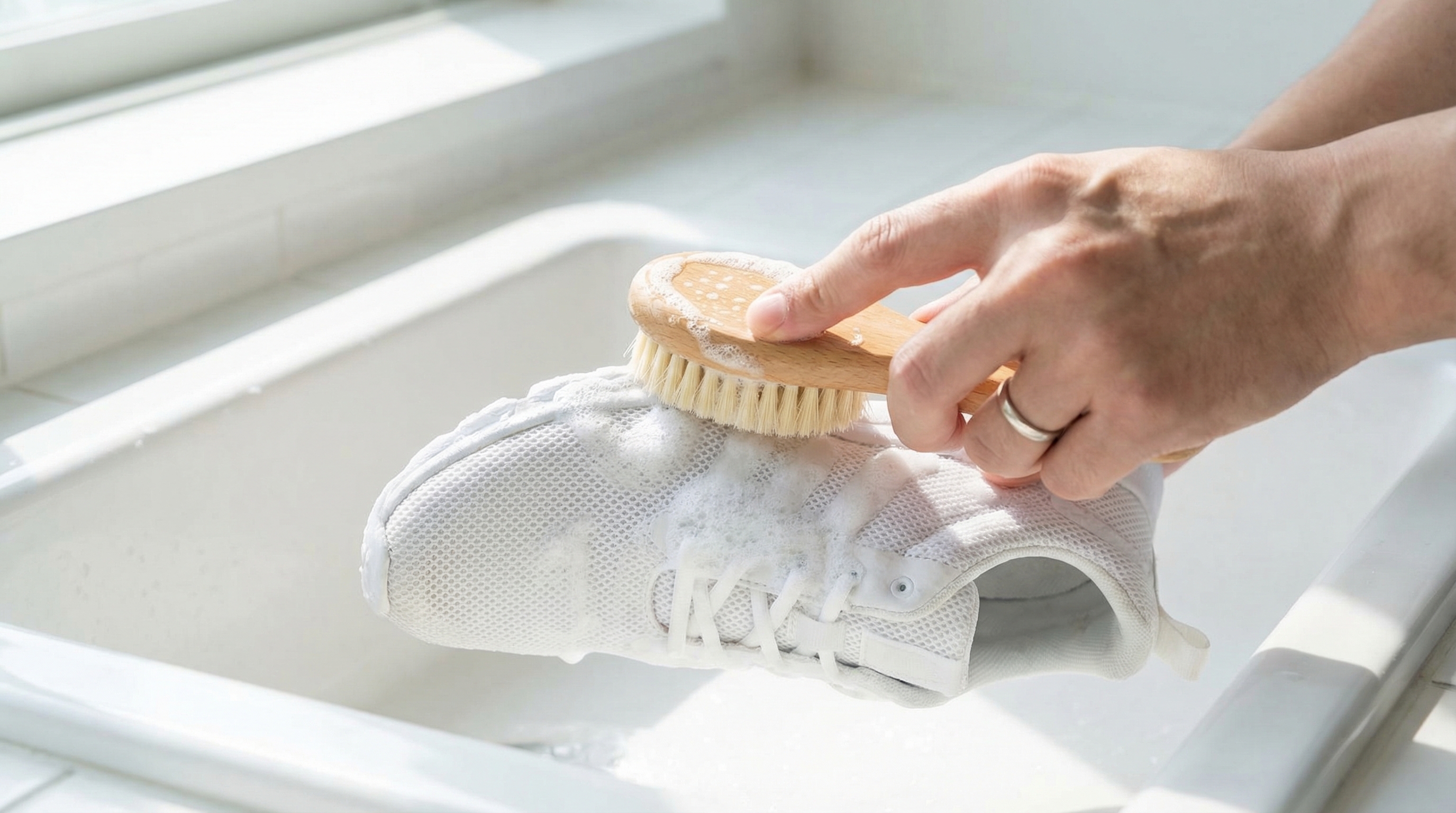
Mix a small amount of detergent into lukewarm water until light suds appear. Dip your soft brush into the solution and work in small, 3-4 inch sections. It is vital to brush in the direction of the knit pattern or use gentle circular motions to lift the dirt without stressing the yarn. For deeper insights into the expertise required for footwear maintenance, you can learn more at https://tlstage.com/about/.
Scrubbing the Midsoles and Outsoles
Once the upper is clean, switch to a stiffer brush for the midsoles. This is where most scuffs and heavy grime reside. If the midsole is made of exposed foam, continue using a medium touch to avoid gouging the material.
Rinsing Without Submersion
Never fully submerge mesh shoes in a basin. Instead, use a “dab and wipe” method with a clean, damp microfiber cloth. Press the cloth against the mesh to absorb the soap and lifted dirt. Repeat this until no sticky residue remains, as leftover soap will attract new dirt almost immediately.
How do you whiten stained or yellowed white mesh?
White mesh is notoriously difficult to maintain, as it tends to yellow over time due to oxidation or soap residue. Restoring the “out-of-the-box” brilliance requires a specific chemical approach.
The Baking Soda and Vinegar Power Move
For organic stains and general yellowing, create a thick paste using two parts baking soda and one part white vinegar. Apply the paste to the mesh and let it sit for at least 30 minutes. This mild effervescent reaction helps break down the compounds trapped in the fibers. After the dwell time, scrub gently and rinse with a damp cloth.
Tackling Oily Stains
Grease or oil stains from asphalt require a surfactant that can break down lipids. A drop of grease-cutting dish soap or a dusting of cornstarch (left for several hours to absorb the oil) is highly effective. Avoid petroleum-based cleaners, which can dissolve the synthetic polymers in the mesh.
The Risks of Bleach
While tempting for all-white shoes, bleach should be a last resort. If used, it must be diluted (1 part bleach to 5 parts water) and rinsed thoroughly. Residual bleach can actually cause the mesh to turn a permanent shade of yellow when exposed to sunlight or heat.
Can you safely use a washing machine for mesh footwear?
While most high-performance brands recommend hand washing, some lifestyle mesh sneakers can survive a machine cycle if the correct precautions are taken. However, this method carries inherent risks to the shoe’s structural adhesives.
Identifying Machine-Safe Models
Check the care tag on the underside of the tongue. Technical running shoes with complex energy-return foams (like carbon plates or specialized air units) should never be machine washed. Simpler lifestyle trainers are generally more resilient to mechanical agitation.
The Setup for Success
If you must use a machine, place each shoe in a mesh laundry bag. Add several large, old towels to the drum to provide a buffer and prevent the shoes from banging against the sides. This padding reduces the mechanical stress on the bonded overlays of the shoe.
Optimal Settings
Always use a cold water, delicate cycle with a low-spin or no-spin setting. Heat is the primary enemy of footwear; it can warp the internal plastic heel counters and cause the outsoles to delaminate. Use liquid detergent, as powder can leave undissolved granules in the mesh layers.
Manufacturer Pro Tip #2: Most high-end athletic brands discourage machine washing because the mechanical agitation and heat can degrade the adhesives that bond the midsole to the upper.
What is the correct way to dry mesh shoes?
The drying phase is where most damage occurs. Patience is required to ensure that the internal components are fully dry without compromising the materials through artificial heat.
The Dangers of Artificial Heat
Never place mesh shoes in a dryer or near a radiator. High heat causes the synthetic fibers to shrink and the thermoplastic reinforcements to warp. This can lead to a shoe that no longer fits correctly or has lost its structural support.
The Air-Drying Protocol
Place your shoes in a well-ventilated indoor area away from direct sunlight. While it may be tempting to put them outside, UV radiation can fade the colors and accelerate the breakdown of the mesh polymers. A floor fan placed near the shoes can significantly accelerate evaporation.
Moisture Absorption Hacks
To speed up the process, replace the paper stuffing every 2-3 hours during the initial phase. The paper wicks moisture from the interior foam, which is the slowest part to dry. Expect a full drying time of 24 to 48 hours depending on humidity.
How do you maintain mesh shoes for maximum longevity?
Consistent maintenance is more effective than occasional deep cleaning. By adopting a “preventative” mindset, you can extend the life of your trainers and keep them looking new for hundreds of miles.
Applying Protective Sprays
Once your shoes are clean and dry, apply a high-quality hydrophobic spray. This creates an invisible barrier that causes water and stains to bead off the surface rather than soaking in. This is particularly important for white or light-colored mesh.
The After-Run Routine
Develop the habit of dry brushing your shoes after every outing. This takes thirty seconds but prevents dust from settling into the knit. For those interested in the manufacturing standards of high-end footwear, https://tlstage.com/private-label-shoes/ offers a look into the construction techniques that make professional gear so durable.
The Rotation Strategy
Never wear the same pair of mesh shoes two days in a row. The foam and fibers need at least 48 hours to fully decompress and shed internal moisture. Rotating between pairs prevents the buildup of bacteria and reduces the rate of material fatigue.
Manufacturer Pro Tip #3: If your mesh shoes have reflective 3M details, avoid aggressive scrubbing in those areas, as the reflective coating is a thin topical layer that can be easily scratched off.
How do I stop my mesh shoes from smelling?
Odors are caused by bacteria trapped in the moisture of the insole and lining. To fix this, remove the insoles and wash them with a vinegar-water solution. You can also sprinkle baking soda inside the shoe overnight to absorb moisture and neutralize odors.
Can I use a hair dryer to speed up the drying process?
No. Even on a “cool” setting, a hair dryer can apply concentrated air that may warp the delicate mesh or weaken the glue bonds. It is much safer to use a standard floor fan to increase ambient air circulation.
Is it okay to use a magic eraser on mesh?
Magic erasers are excellent for cleaning the smooth rubber or foam of the midsole, but they should never be used on the mesh upper. They are abrasive and will quickly tear the knit fibers, causing permanent damage.
How often should I clean my mesh running shoes?
For performance shoes, a light dry brushing should occur after every run. A full deep clean is recommended every 4–6 weeks, or whenever you notice visible mud or salt stains that could degrade the fabric.
Can I use dish soap to clean mesh?
Yes, a mild, grease-cutting dish soap (like Dawn) is an excellent alternative to specialized sneaker cleaners. It is effective at breaking down organic oils without the harshness of industrial detergents.
For professional inquiries regarding footwear construction and maintenance, please reach out via our contact page.