There is nothing more discouraging than finally finding your dream pair of shoes only to realize they are a half-size too large. Whether you snagged a rare find on clearance or your favorite leather boots have stretched out over years of wear, oversized footwear is a significant problem. Loose shoes lead to painful friction blisters, a compromised walking gait, and an overall lack of stability that makes every step feel like a chore.
You might feel agitated by the thought of wasting money on shoes you can no longer wear comfortably. Many people attempt to solve the issue by stuffing the toes with messy tissue paper or wearing three pairs of heavy socks, which only leads to sweaty, cramped feet. Furthermore, walking in shoes that slip at the heel isn’t just annoying; it is a genuine safety hazard that can cause trips and falls during your daily commute.
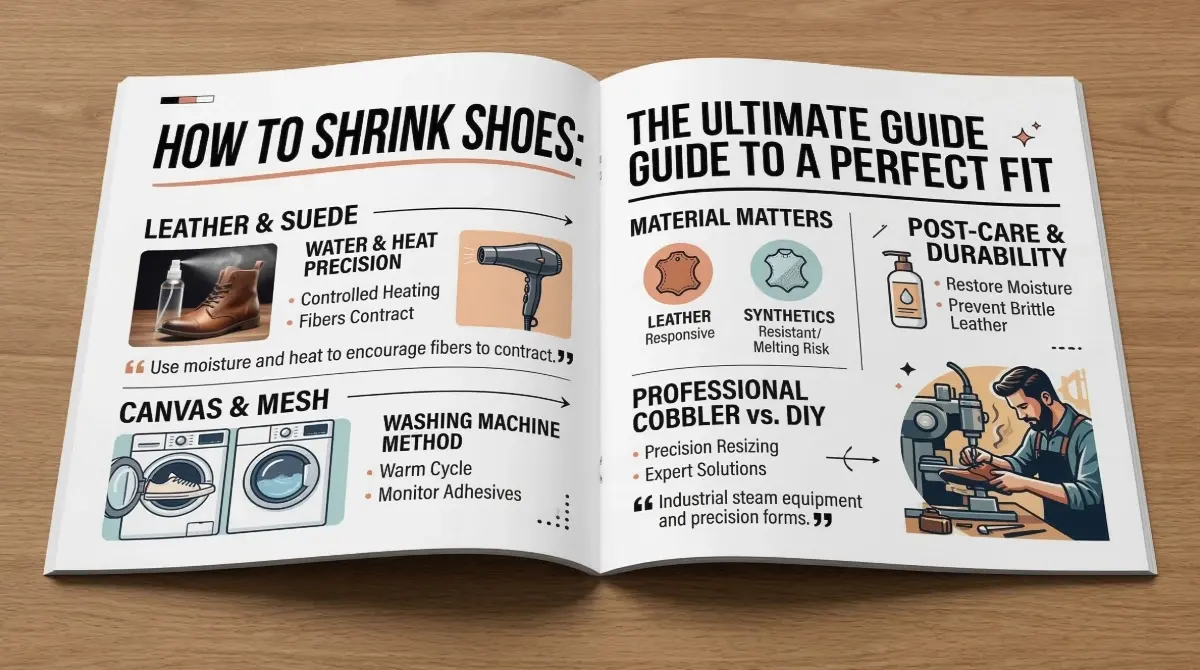
Fortunately, you do not have to give up on your favorite footwear just yet. By understanding the material science behind footwear construction, you can use controlled moisture and heat to encourage fibers to contract. This comprehensive guide provides safe, effective, and DIY-friendly methods to resize your shoes, ensuring they wrap snugly around your feet for a custom-tailored feel.
You can shrink shoes by applying a combination of targeted moisture and controlled heat to natural fibers like leather and canvas, or by utilizing volume-reducing inserts such as professional-grade insoles and heel grips.
Quick Steps Summary
| Method | Best For | Time Required | Expected Result |
|---|---|---|---|
| Blow Dryer & Water | Leather, Suede | 15–20 Mins | ~1/4 to 1/2 size reduction |
| Washing Machine | Canvas, Mesh | 60 Mins | ~1/2 size reduction |
| Insoles & Grips | All Materials | 2 Mins | Instant snug fit |
| Professional Cobbler | High-End Dress Shoes | 3–5 Days | Precision resizing |
Is it Possible to Shrink All Types of Shoes?
Understanding Material Elasticity
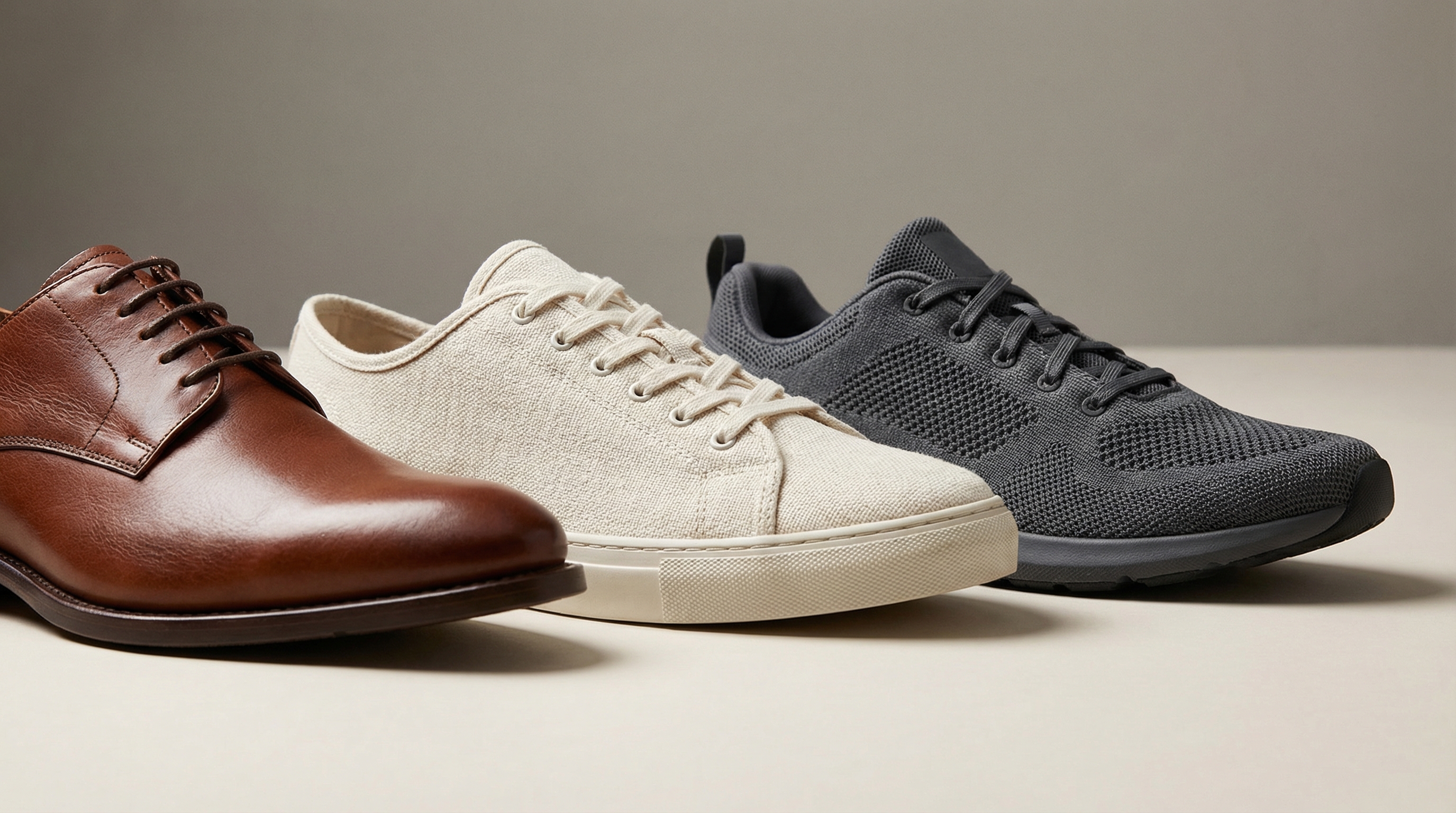
Most consumers wonder if their oversized boots can truly be rescued from the back of the closet. Essentially, the success of any shrinking attempt depends entirely on the chemical composition of the shoe material itself. While natural fibers like leather and cotton canvas are highly responsive to environmental changes, many synthetic plastics remain stubborn. However, understanding these basic material properties is the first step toward a successful DIY resize.
The Limitations of Synthetic Fibers
Think about the difference between a cotton t-shirt and a polyester jacket when they are washed in hot water. Synthetic materials like nylon or advanced plastics are designed specifically to resist shrinking or changing shape over time. Meanwhile, attempting to apply high heat to these materials often leads to melting rather than contraction. Consequently, you must identify your shoe’s material before proceeding with any of the heat-based methods described below.
The Water and Heat Method: Precision Shrinking for Leather
Step-by-Step Leather Contraction
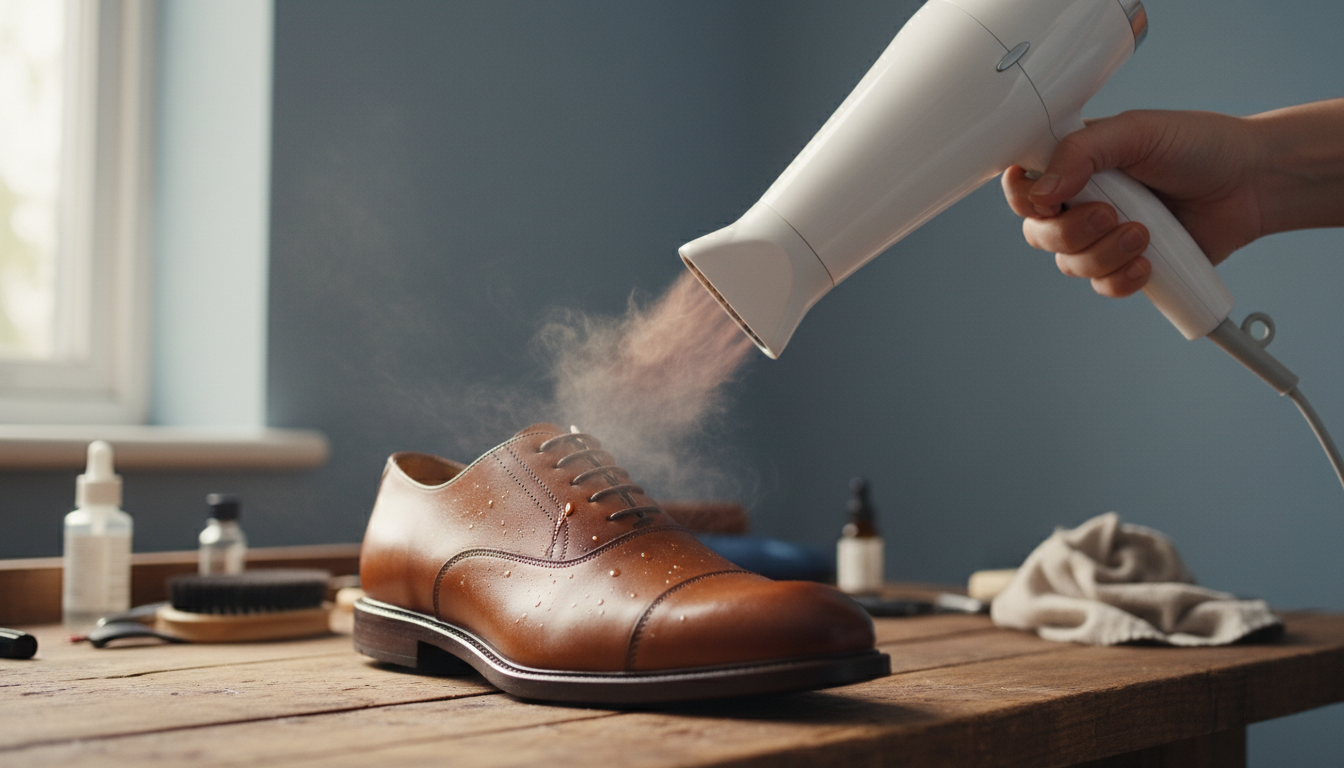
Leather is a biological material that retains a memory of its original shape and structural integrity. When you apply moisture, the collagen fibers within the hide begin to loosen and expand slightly. Meanwhile, the subsequent application of controlled heat causes these fibers to tighten significantly as they dry. This specific reaction allows for a precision fit that molds directly to the unique contours of your foot.
Post-Shrink Conditioning and Care
After using heat on leather, it is vital to remember that you have removed essential moisture. Essentially, the leather can become brittle and prone to cracking if it is not properly treated after the shrinking process. You should apply a high-quality leather conditioner to restore the natural oils and maintain the suppleness of the hide. However, skipping this step could lead to permanent damage that ruins the aesthetics of your footwear.
Manufacturer Pro Tip: The Science of Protein Denaturation
From a custom shoe manufacturing perspective, shrinking leather is actually a controlled form of “protein denaturation.” Leather is a complex collagen network that reacts to thermal energy. When moisture is applied followed by heat, the collagen fibers physically shorten. However, exceeding 140°F (60°C) can cause the leather to become brittle and lose its structural tensile strength permanently.
How to Shrink Canvas Shoes in the Washing Machine
The Tumble Dryer Technique
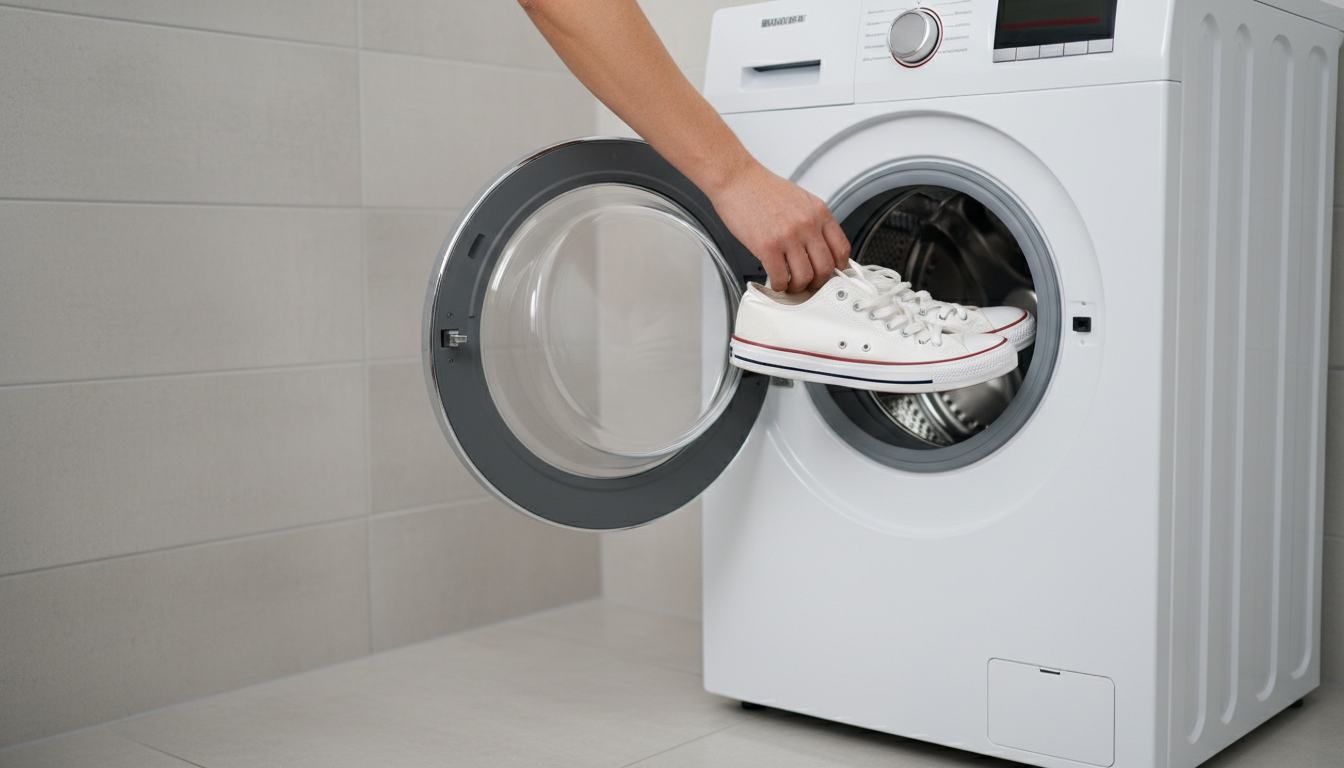
Canvas shoes, such as those produced by major lifestyle brands, are made of woven cotton that reacts beautifully to heat. You should start by placing the shoes in a mesh laundry bag and washing them on a warm cycle. Meanwhile, the agitation of the machine combined with the warm water prepares the fibers for the next stage. Placing them in a tumble dryer for ten minutes on medium heat will usually achieve the desired contraction.
Protecting Dyes and Structural Glue
While the dryer is effective, you must be careful not to leave the shoes in for too long. Essentially, the high heat can begin to break down the adhesives that hold the sole to the upper fabric. However, if you monitor the process closely, you can achieve a snugger fit without causing the shoe to fall apart. Meanwhile, using a color-safe detergent will ensure that the vibrant dyes of your canvas sneakers remain intact.
Material-Specific Tactics: Suede and Mesh
The Delicate Nature of Suede
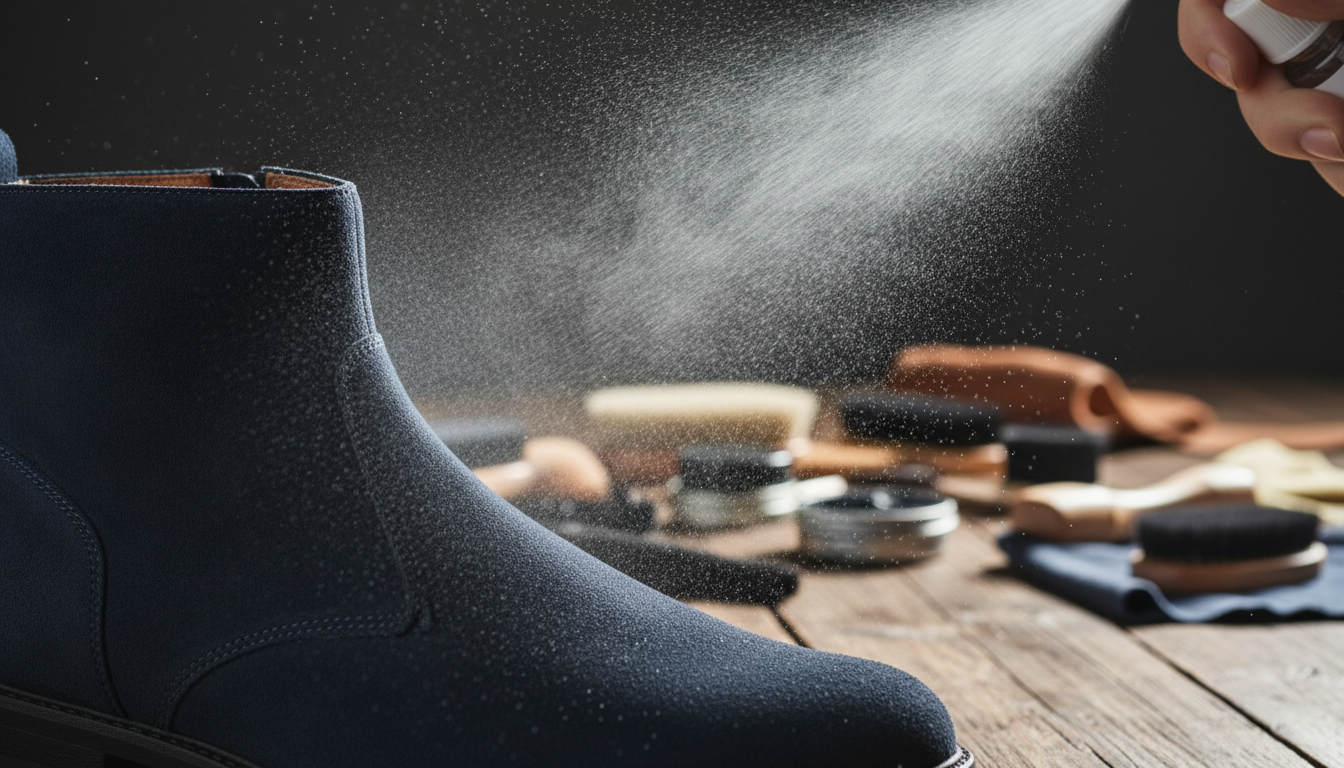
Suede requires a much softer touch than standard leather because the nap is easily ruined by excessive water. Instead of soaking the shoe, you should use a spray bottle to mist only the areas that feel too loose. Meanwhile, a hair dryer on the lowest heat setting should be used to gently dry the damp sections. However, you must keep the dryer moving constantly to avoid scorching the delicate surface of the suede.
Why Mesh Rarely Responds to Heat
Modern athletic sneakers often feature mesh uppers made from polyester or TPU-coated yarns. Essentially, these materials are engineered for breathability and shape retention, meaning they are inherently resistant to shrinking. If you try to use heat on these shoes, you are more likely to damage the plastic overlays than shrink the fabric. Meanwhile, your best bet for mesh shoes is often to focus on internal padding rather than physical material alteration.
Manufacturer Pro Tip: Adhesive Thermal Thresholds
Most modern shoes are assembled using specialized heat-activated adhesives. As a leading shoe manufacturer, we warn DIYers that excessive heat can reach the “reactivation point” of the glue. This leads to sole delamination—where the bottom of your shoe literally peels off the upper. If you smell a chemical or “rubbery” scent during the shrinking process, you should stop applying heat immediately.
Professional Cobbler vs. DIY: Assessing the Risk
When to Trust the Experts
There are times when a DIY approach is simply too risky for an expensive or sentimental pair of shoes. If you are dealing with high-end designer heels or hand-painted dress shoes, consulting a professional is essentially the safest route. However, a cobbler has access to industrial steam equipment and precision forms that can resize shoes with much greater accuracy. Meanwhile, they can also identify structural issues that might make shrinking impossible.
Industrial Resizing Capabilities
A professional shop can do more than just apply heat; they can actually rebuild portions of the shoe. For instance, they might add a leather “counter” to the heel to reduce the internal length by a few millimeters. This method provides a permanent solution without risking the integrity of the outer material. Essentially, you are paying for the peace of mind that comes with expert professional footwear solutions rather than gambling with home hacks.
Non-Shrink Alternatives for a Snug Fit
Utilizing Full-Length Insoles
If you are hesitant to use heat and water, adding a pair of high-quality insoles is a fantastic alternative. Essentially, by adding a layer of foam or gel to the bottom of the shoe, you are reducing the total internal volume. This causes your foot to sit higher and closer to the upper material, resulting in a much tighter fit. Meanwhile, this method provides the added benefit of extra cushioning and arch support for long days.
Heel Grips and Ball-of-Foot Cushions
For shoes that only slip at the back, heel grips are essentially the perfect “fit-hack” to keep your foot in place. These small, adhesive pads stick to the inside of the heel counter and provide a physical barrier that prevents slippage. However, if your foot slides forward too much, a ball-of-foot cushion can help fill the gap in the toe box. Meanwhile, these accessories are inexpensive and can be swapped between different pairs of shoes as needed.
Manufacturer Pro Tip: Tensile Strength and Weave Density
When we discuss about our footwear company, we often emphasize the importance of weave density in canvas production. A higher thread count per square inch provides more “meat” for the shrinking process to work with. If your shoes are made of low-density, cheap canvas, they may warp or become misshapen rather than shrinking uniformly. Always check the density of the fabric before applying high heat.
Long-Term Durability and Damage Prevention
Avoiding Thermal Degradation
Every time you apply heat to a material, you are technically causing a small amount of thermal degradation. Essentially, the fibers become slightly more brittle and less flexible each time they are subjected to high temperatures. However, if you limit your shrinking attempts to just once or twice, the impact on the shoe’s lifespan will be minimal. Meanwhile, you should always allow the shoes to air dry naturally after the initial heat application.
Assessing Success and Structural Integrity
Once the shrinking process is complete, you must inspect the shoes for any signs of damage. Check the seams to ensure the threads haven’t snapped and look at the sole to confirm the glue is still holding strong. However, if the shoe feels stiff, you should walk in it for a few minutes to help the fibers regain some of their natural flexibility. Meanwhile, keep in mind that a perfectly fitted shoe is only valuable if it remains structurally sound and safe to wear.
FAQ: Frequently Asked Questions
How much can I realistically shrink a leather shoe at home?
In most cases, you can expect a maximum reduction of about a half-size. Leather fibers can only contract so much before the material becomes too stiff or the internal structure of the shoe begins to warp. Essentially, trying to shrink a shoe by a full size or more will likely result in a distorted silhouette and a very uncomfortable fit.
Is it safe to put my expensive sneakers in the clothes dryer?
You should generally avoid putting high-end sneakers with complex plastic parts or specialized foam midsoles in the dryer. The high heat can cause the foam to lose its bounce and may melt the plastic aesthetic overlays. However, for basic canvas sneakers like Converse, a short cycle on medium heat is usually safe. Meanwhile, always use a mesh bag to prevent the shoes from banging against the dryer drum.
Can I shrink shoes that are made of synthetic “vegan” leather?
Synthetic leather is essentially a plastic-based material, often made from polyurethane or PVC. Unlike real leather, these materials do not have a fibrous collagen structure that contracts with heat and moisture. If you apply high heat to vegan leather, it is more likely to bubble, peel, or melt rather than shrink. However, you can still use insoles or heel grips to improve the fit of synthetic footwear.
What is the best way to shrink the heel of a shoe specifically?
To target the heel, you should only dampen the back portion of the shoe with a spray bottle. Meanwhile, focus the air from your hair dryer directly on the damp heel area while keeping the rest of the shoe dry. This prevents unnecessary stress on the toe box or middle of the shoe. Essentially, this targeted approach allows you to fix heel slippage without changing how the rest of the shoe feels.
Will shrinking my shoes make them feel less breathable?
When fibers contract and the weave becomes tighter, there is naturally less space for air to pass through the material. Essentially, you might notice that the shoes feel slightly warmer than they did before the shrinking process. However, for leather shoes, this change is usually negligible and won’t impact your daily comfort. Meanwhile, canvas shoes may feel a bit stiffer initially, but they will soften up again as you break them in.
For more information on material durability and professional production standards, feel free to contact our shoe experts.