
The accumulation of particulate matter within the weave of canvas footwear leads to accelerated material degradation through mechanical abrasion. When dirt and grit remain embedded in the cotton fibers, every step creates friction that microscopically shears the structural integrity of the fabric. You might think a quick wipe is enough, but deep-seated grime is a silent killer for your favorite sneakers. To restore your shoes, you need a systematic approach involving dry debris removal, the application of a pH-neutral cleaning solution, and a controlled dehydration process.
To clean canvas shoes effectively, first remove loose dirt with a dry brush, then scrub the fabric using a soft brush dipped in a solution of warm water and mild soap in circular motions, rinse with a damp microfiber cloth, and allow them to air dry while stuffed with white paper towels to maintain their shape.
Quick Steps for Cleaning Canvas Shoes
- Dry Brushing: Use a medium-bristled brush to flick away all loose surface dirt and dried mud from the uppers.
- Solution Preparation: Mix 250ml of warm water with 5ml of mild, pH-neutral dish soap.
- Agitation: Dip a soft brush into the solution and scrub the canvas in small, circular motions.
- Rinsing: Use a clean, damp microfiber cloth to wipe away the soapy residue.
- Dehydration: Stuff the shoes with white paper towels and air-dry in a well-ventilated area.
The Golden Rules: How to Clean Canvas Shoes Without Damaging Them
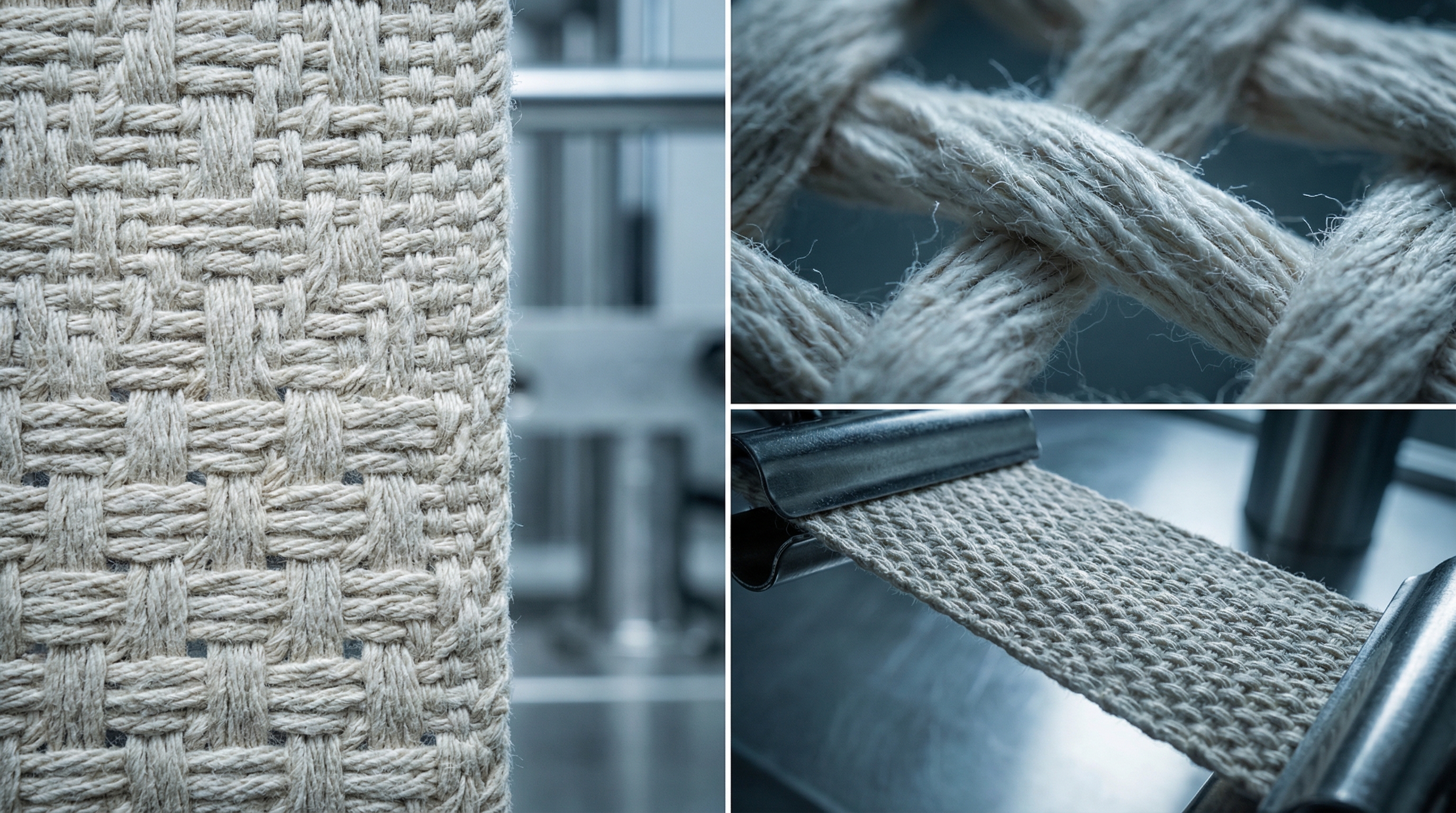
Canvas is a plain-weave fabric typically constructed from heavy-duty cotton or linen, valued for its breathability and tensile strength. However, the very nature of this open weave makes it highly susceptible to absorbing liquid-based contaminants and trapping fine dust particles. Understanding the material science behind the fabric is the first step toward effective maintenance without causing secondary damage like pilling or color bleeding. Many owners inadvertently damage their shoes by using aggressive chemicals that strip the natural oils from the cotton fibers, leading to a brittle texture.
Understanding Material Science: Canvas vs. Synthetic
While synthetic fibers like polyester are hydrophobic, cotton canvas is naturally hydrophilic. This means it drinks in moisture and any stains dissolved within it. When you clean canvas, you aren’t just cleaning a surface; you are managing a three-dimensional matrix of fibers. If you use too much water, the dirt travels into the “core” of the weave, making it nearly impossible to extract without professional equipment.
The Dangers of Chemical Stripping
But here’s the catch. Many “all-purpose” household cleaners have high pH levels that are too alkaline for natural fibers. These chemicals can weaken the cellulose bonds in the cotton. Over time, this leads to the fabric becoming stiff and prone to cracking at the flex points of the foot. Maintaining the equilibrium between cleanliness and structural preservation requires a gentle touch and the right chemical balance. High-quality footwear often incorporates intricate stitching that can be easily frayed by improper chemical exposure. For those interested in the engineering and material standards of high-performance footwear, exploring the resources at tlstage.com provides deeper insight into how professional-grade shoes are constructed.
Essential Toolkit: What Supplies Do You Actually Need?
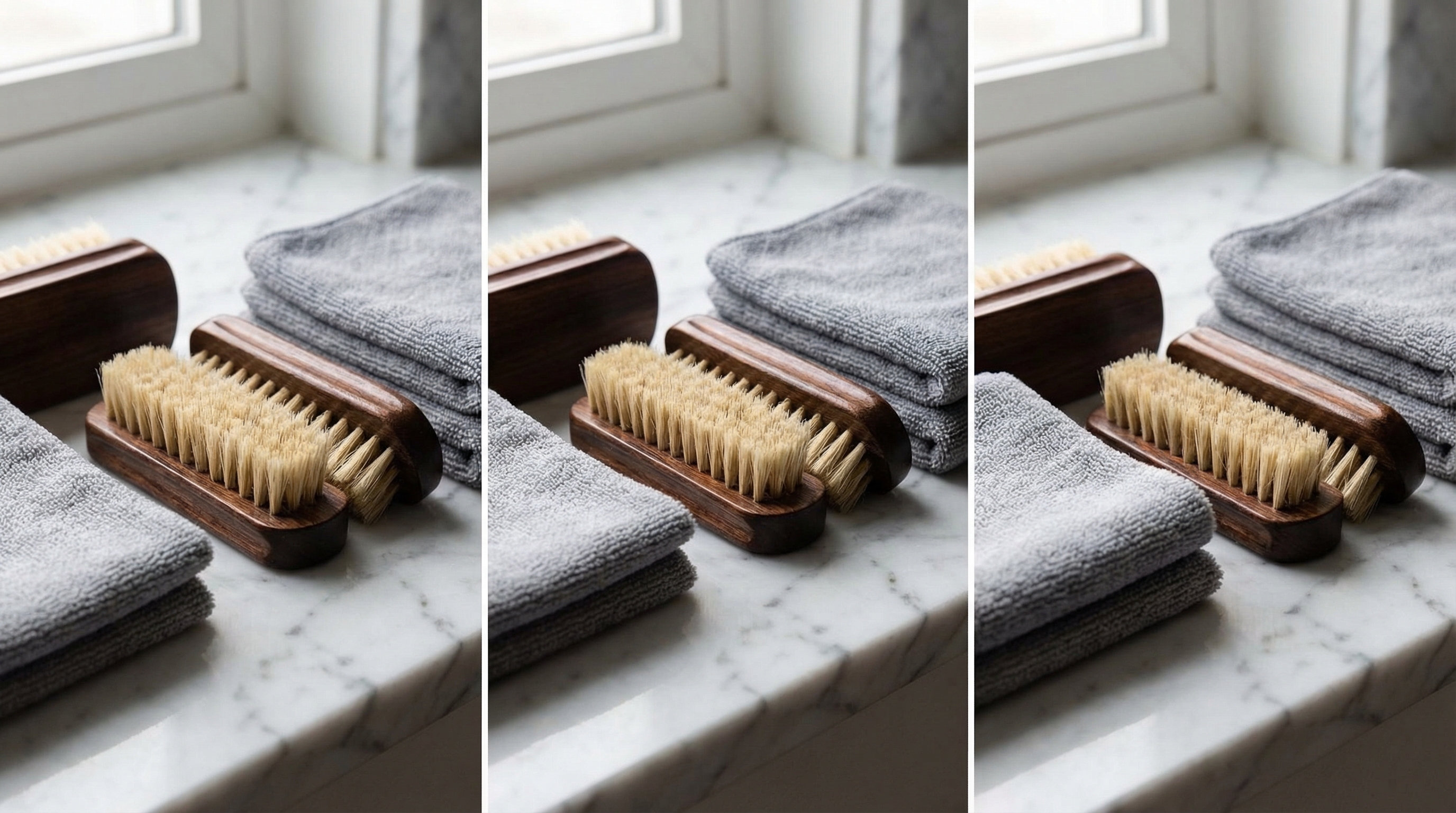
The efficacy of a cleaning routine is largely determined by the mechanical and chemical properties of the tools employed. Using a brush with bristles that are too stiff can cause “fuzzing” or fraying of the canvas weave, which is irreversible once the fibers are broken. Conversely, a brush that is too soft will fail to penetrate the texture of the fabric, leaving deep-seated grime untouched. Professional kits often include multiple brushes of varying densities to address the different components of the shoe, from the rugged outsole to the delicate upper.
Choosing the Right Brush Density
You wouldn’t use a wire brush on a silk shirt, and the same logic applies here. A medium-bristle brush is ideal for the outsoles and midsoles, where the rubber can handle more aggressive agitation. However, for the canvas upper, a soft hog-hair brush is the gold standard. These natural bristles are soft enough to preserve the weave while still being firm enough to create the necessary foam to lift dirt.
The Chemical Balance of Cleaning Agents
Why does this matter? Selecting the correct chemical agent is just as vital as the physical tools used for agitation. Many household detergents contain optical brighteners or bleaching agents that can react negatively with the specific dyes used in colored canvas. This reaction often results in “patchy” fading or a yellowish tint on white shoes due to the oxidation of residual alkaline substances. By investing in a dedicated footwear cleaner or a mild, dye-free dish soap, you ensure that the chemical interaction remains localized to the dirt particles rather than the fabric itself.
| Tool Type | Recommended Use | Material Impact |
|---|---|---|
| Medium-Bristle Brush | Outsoles and heavy mud removal | High agitation; avoids damaging rubber |
| Soft Hog Hair Brush | Canvas uppers and delicate knits | Low abrasion; preserves fabric weave |
| Microfiber Cloth | Rinsing and surface drying | High absorbency; leaves no lint residue |
| pH-Neutral Soap | General cleaning solution | Maintains fiber strength and color depth |
| Melamine Sponge | Rubber midsoles and foxing tape | Mechanical removal of scuffs and stains |
Master the Manual Scrub: A Step-by-Step Hand Washing Guide
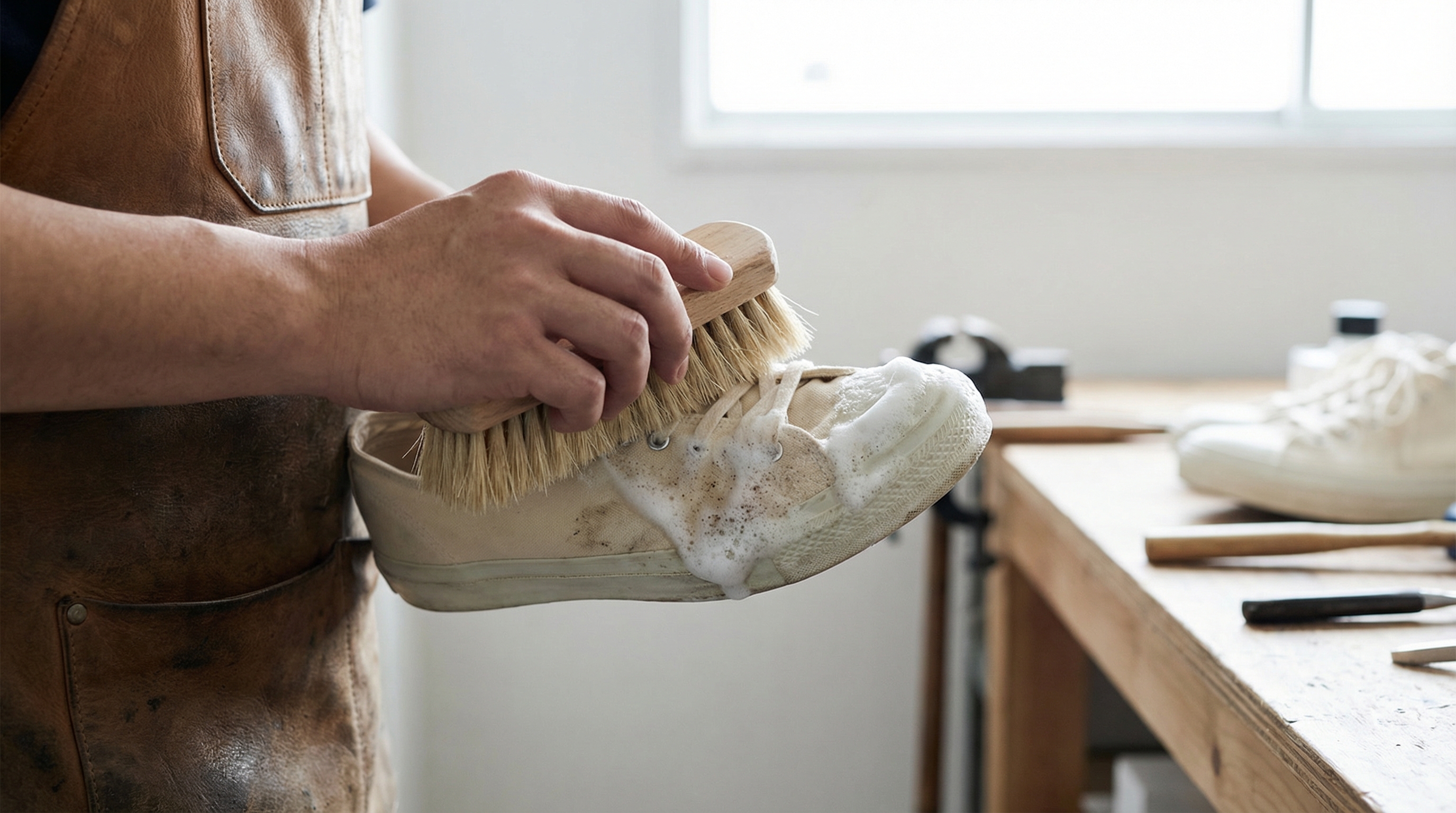
Hand washing remains the gold standard for footwear maintenance because it allows for localized pressure and controlled moisture levels. The process begins with “dry agitation,” where you use a brush to flick away loose dirt that would otherwise turn into mud when wet. This step is often overlooked, yet it is essential for preventing the spread of contaminants deeper into the fabric grain. Once the surface is clear of loose debris, you can move on to the targeted application of your cleaning solution.
Phase 1: Dry Agitation and Debris Removal
Wait, there’s more to the technique. Before you ever let a drop of water touch the shoe, you must be thorough with the dry brush. Focus on the seams and the area where the canvas meets the rubber midsole. These “pockets” are where fine sand and grit hide. If you skip this, the water will simply transport that grit deeper into the shoe’s lining.
Phase 2: Applying the “Lifting” Technique
When applying the cleaning solution, the goal is to create a “lifting” action rather than pushing the dirt further into the weave. By using small, circular motions, you engage the tips of the bristles with the fabric’s topography, allowing the surfactant in the soap to encapsulate the oils and grime. This suspension makes it significantly easier to wipe the contaminants away with a damp microfiber cloth.
Manufacturer Pro Tip #1: Fiber Preservation. As a manufacturer, we recommend avoiding high-alkaline detergents. These can break down the natural cotton fibers in canvas over time, leading to premature fraying. Stick to pH-neutral soaps to keep the weave tight and prevent the loss of structural tension within the fabric.
Phase 3: Controlled Rinsing to Avoid Saturation
After the scrubbing phase, the rinsing process must be handled with extreme care. Instead of holding the shoe under a running faucet, use a clean cloth dipped in plain water to “dab” away the residual soap. This technique prevents the internal cushioning from absorbing excessive moisture, which would prolong the drying time and increase the risk of odor-causing bacteria. Repeat the dabbing process until the cloth no longer picks up soap bubbles.
Beyond the Fabric: Deep Cleaning Laces and Rubber Soles
A common mistake in footwear maintenance is neglecting the components that frame the canvas, such as the laces and the rubber midsoles. Laces act as a magnet for oils from the hands and dirt from the environment, often becoming the most discolored part of the shoe. To clean them effectively, they should be removed and soaked in a solution of warm water and an oxygen-based cleaner for at least thirty minutes. This immersion allows the cleaning agent to penetrate the core of the braided fibers, restoring the original color without fraying the aglets.
Restoring Laces via Oxygen Immersion
The reason is simple. Laces are usually made of cotton or a cotton-poly blend that is even more absorbent than the shoe upper. If you leave them in the shoe while cleaning, you’ll never get the eyelets clean, and the laces will remain gray. A long soak breaks down the body oils and road grime that a simple scrub can’t reach.
Mechanical Removal of Rubber Scuffs
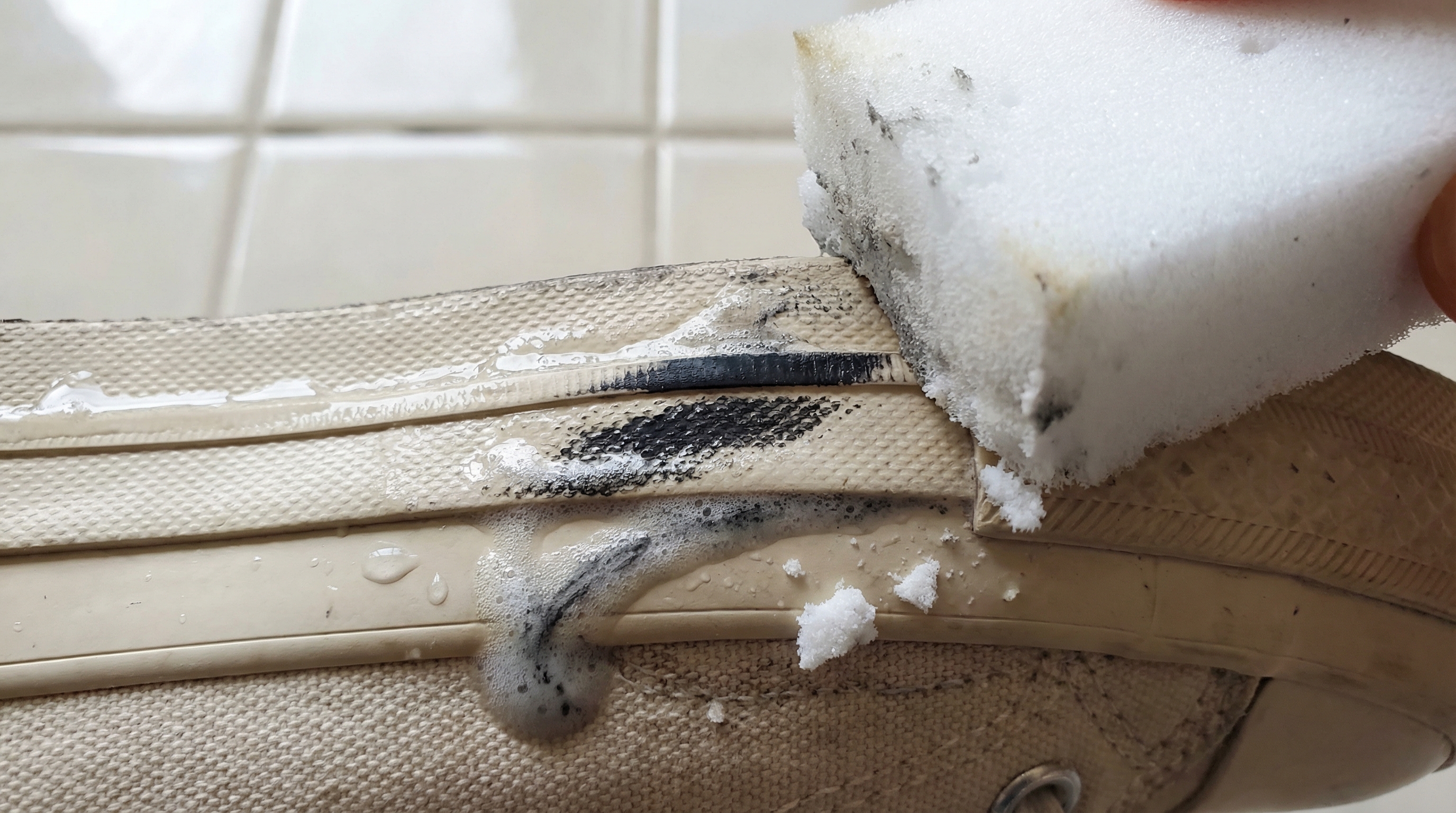
The rubber midsole, or foxing tape, requires a different mechanical approach due to its non-porous but textured surface. Scuff marks are essentially “transfer stains” where a harder material has deposited a layer of pigment onto the rubber. A melamine foam sponge is the most effective tool for this task as it acts like an ultra-fine sandpaper. By lightly wetting the sponge and rubbing the scuffs, you can mechanically lift the marks without the need for aggressive chemical solvents that might yellow the rubber over time.
Can You Put Canvas Shoes in the Washing Machine?
The question of machine washing is a point of contention among footwear experts due to the violent mechanical action involved in a standard cycle. While canvas is technically a washable fabric, the construction of a shoe involves various components like glues, foams, and reinforcements that may not be machine-compatible. The high-speed spinning and repeated impact against the drum can cause the upper to pull away from the sole. However, if the shoes are heavily soiled, a machine wash can be performed safely if specific precautions are strictly followed.
The Buffer Protocol: Mesh Bags and Towels
But here is the catch. To minimize the risk of damage, shoes should always be placed inside a padded mesh laundry bag to act as a buffer. You should also include several old towels in the load to balance the drum and prevent the shoes from banging loudly against the sides during the spin cycle. This dampens the mechanical impact and protects both your shoes and your machine’s drum.
Why Heat is the Primary Enemy of Adhesives
Use a cold water setting exclusively, as heat is the primary enemy of the synthetic adhesives that hold most modern shoes together. A low-cycle speed is also recommended to reduce the centrifugal forces that could warp the shoe’s internal structure or the plastic heel counter.
Manufacturer Pro Tip #2: Adhesive Sensitivity. Most mass-market canvas shoes use heat-activated adhesives for the foxing tape (the rubber wrap). Excessive heat in a washer or dryer can cause “sole separation” or delamination. Always use cold water cycles to ensure the longevity of the bond. Discover our commitment to durable construction in our About Us section.
Brightening White Canvas: How to Eliminate Yellowing and Stubborn Stains
White canvas shoes are particularly prone to “phenolic yellowing,” a chemical reaction that occurs when residual cleaning agents or environmental pollutants oxidize on the fabric surface. This phenomenon is often exacerbated by drying shoes in direct sunlight, which triggers a photo-oxidative response. To combat this, a specialized paste of baking soda and hydrogen peroxide can be used as a mild oxygen-based bleach. This mixture works by breaking the chemical bonds of the stain molecules without damaging the underlying cotton fibers.
The Science of Phenolic Yellowing
Let’s dive deeper into the chemistry. When you leave soap residue in a white shoe, the alkaline salts react with the air. As the water evaporates, these salts concentrate, leaving behind that dreaded yellow ring. This isn’t “dirt”; it’s a chemical byproduct of a poor rinse.
The “Toilet Paper Wrap” Capillary Method
The application of the baking soda paste should be followed by a unique technique known as the “toilet paper wrap.” After cleaning and rinsing the white shoes, cover the entire damp upper with layers of plain white toilet paper, ensuring the paper is in direct contact with the canvas. As the shoes dry, the paper acts as a wick, drawing the yellowing agents and deep-seated pigments out of the fabric and into the paper fibers. This capillary action is highly effective for achieving a crisp, factory-new finish.
Post-Clean Protocol: The Best Way to Dry and Restore Shape
The drying phase is perhaps the most critical part of the cleaning process, yet it is where most damage occurs. Under no circumstances should canvas shoes be placed in a mechanical tumble dryer, as the combination of tumbling and high heat will lead to immediate shrinkage. Cotton fibers naturally contract when subjected to heat while wet, which can result in a shoe that is half a size smaller or permanently misshapen. Furthermore, excessive heat can cause the internal stiffeners in the toe box and heel to warp, destroying the ergonomic fit of the footwear.
Avoiding Thermal Stress and Tumble Dryers
Why does this matter? The optimal drying method is slow, ambient evaporation in a well-ventilated area that is shielded from direct ultraviolet (UV) light. UV rays can act as a catalyst for fading in colored canvas and can cause the rubber components to become brittle and crack. A fan can be used to increase airflow, but keep the heater off.
Maintaining Silhouette with Internal Tension
To maintain the structural silhouette of the shoe during this process, stuff the interior with white paper towels or clean rags. This not only absorbs moisture from the inside out but also provides internal tension that prevents the canvas from collapsing or wrinkling as it dries. Avoid using newspaper for stuffing, as the ink can easily transfer to the damp interior lining of the shoe, creating permanent stains.
Strategic Considerations for Longevity: When to Retire Your Shoes
When a shoe exhibits structural failures such as significant sole delamination, holes in the canvas weave, or a collapsed heel counter, it may be beyond the point of effective repair. These signs indicate that the material has reached the end of its fatigue life and no longer provides the necessary support for the wearer. For those who value durability, investing in shoes with higher-grade construction is the only way to avoid frequent replacements.
Identifying Structural Fatigue
Look at the points where the shoe bends. If the rubber is cracking or the canvas has thinned to the point of transparency, the integrity is gone. No amount of cleaning can fix a broken bond or a sheared fiber. At this stage, cleaning is purely cosmetic and won’t restore the safety or comfort of the shoe.
The ROI of Premium Canvas Sourcing
Longevity starts at the source. High-grade 12oz canvas lasts significantly longer than standard budget fabrics due to its higher thread density. For those who value professional-grade durability, exploring private label shoes offers an opportunity to experience footwear designed with superior material standards.
Manufacturer Pro Tip #3: Material Sourcing. Longevity starts at the source. High-grade 12oz canvas lasts 3x longer than standard budget fabrics due to its higher thread density and superior tensile strength. If you are looking to develop your own high-durability footwear line, the selection of GSM (grams per square meter) is the most critical decision in the design phase.
FAQ
Can canvas shoes be machine washed?
Yes, but only as a last resort. Use cold water, a gentle cycle, and place the shoes in a padded mesh laundry bag. Always include towels in the load to balance the drum and prevent the shoes from banging against the sides, which can weaken the vulcanized bonds.
How do I prevent my white shoes from turning yellow?
Yellowing is caused by residual soap or minerals in the water. To prevent this, ensure a very thorough rinse and use the “toilet paper wrap” method while drying. The paper draws out the moisture and any leftover residues that would otherwise settle on the fabric surface.
What is the best way to dry canvas shoes quickly?
Never use a dryer or a direct heat source. The best “fast” method is to place the shoes in front of a circulating fan in a room with low humidity. Stuffing them with highly absorbent paper towels and changing those towels every two hours will also significantly accelerate the process.
Can I use bleach on colored canvas shoes?
Absolutely not. Chlorine bleach will strip the dye and weaken the cotton fibers. Even for white shoes, bleach is risky as it can react with the glues to create a permanent yellow stain. Stick to oxygen-based cleaners or a baking soda and peroxide paste.
How often should I clean my canvas shoes?
For longevity, you should “dry brush” your shoes after every few wears to prevent grit from settling. A deep clean should be performed every 3 to 6 months, or whenever significant staining occurs. Frequent light maintenance is better than infrequent heavy scrubbing.
For comprehensive information on sourcing high-quality materials or developing a custom footwear line, please visit our contact page (https://tlstage.com/contact/).