
The rhythmic “chirp,” “creak,” or “squelch” of a squeaky shoe is more than a minor auditory nuisance; it is a disruptive element that can undermine professional confidence and signal underlying mechanical distress within footwear. Whether originating from a pair of high-end Italian oxfords or technical athletic sneakers, these sounds often manifest at the most inopportune moments—during a quiet office walk, a formal presentation, or a solemn event.
Think about it. You’ve curated the perfect outfit, your grooming is impeccable, and your posture is confident. Then, with every step, your footwear announces your arrival with a high-pitched protest. This persistent agitation stems from a fundamental breakdown in the harmony between a shoe’s multi-layered components. When internal friction, moisture-induced “stiction,” or structural failure occurs, the shoe ceases to be a silent foundation for your stride and instead becomes a source of social self-consciousness.
To stop shoes from squeaking, you must identify the exact source of friction—typically between the insole and midsole, the tongue and laces, or the outsole and the floor—and apply a moisture-absorbing agent (like talcum powder) or a material-appropriate lubricant (like silicone spray or leather conditioner) to neutralize the “stick-slip” effect.
Quick Steps for Immediate Relief
| Action | Targeted Issue | Recommended Material |
|---|---|---|
| Lift Insole & Powder | Internal friction/Moisture | Baby powder or Cornstarch |
| Lubricate Tongue | Leather-on-leather creaking | Saddle soap or Silicone |
| Sanding Outsoles | Floor-contact “chirping” | 200-grit sandpaper |
| Apply Conditioner | Dry leather stiffness | Neatsfoot oil or Cream |
| Structural Bonding | Sole delamination | Contact cement (Shoe Goo) |
| Dry Thoroughly | Trapped water “squelching” | Cedar shoe trees/Newsprint |
1. Source Identification: The Footwear Forensic Diagnosis
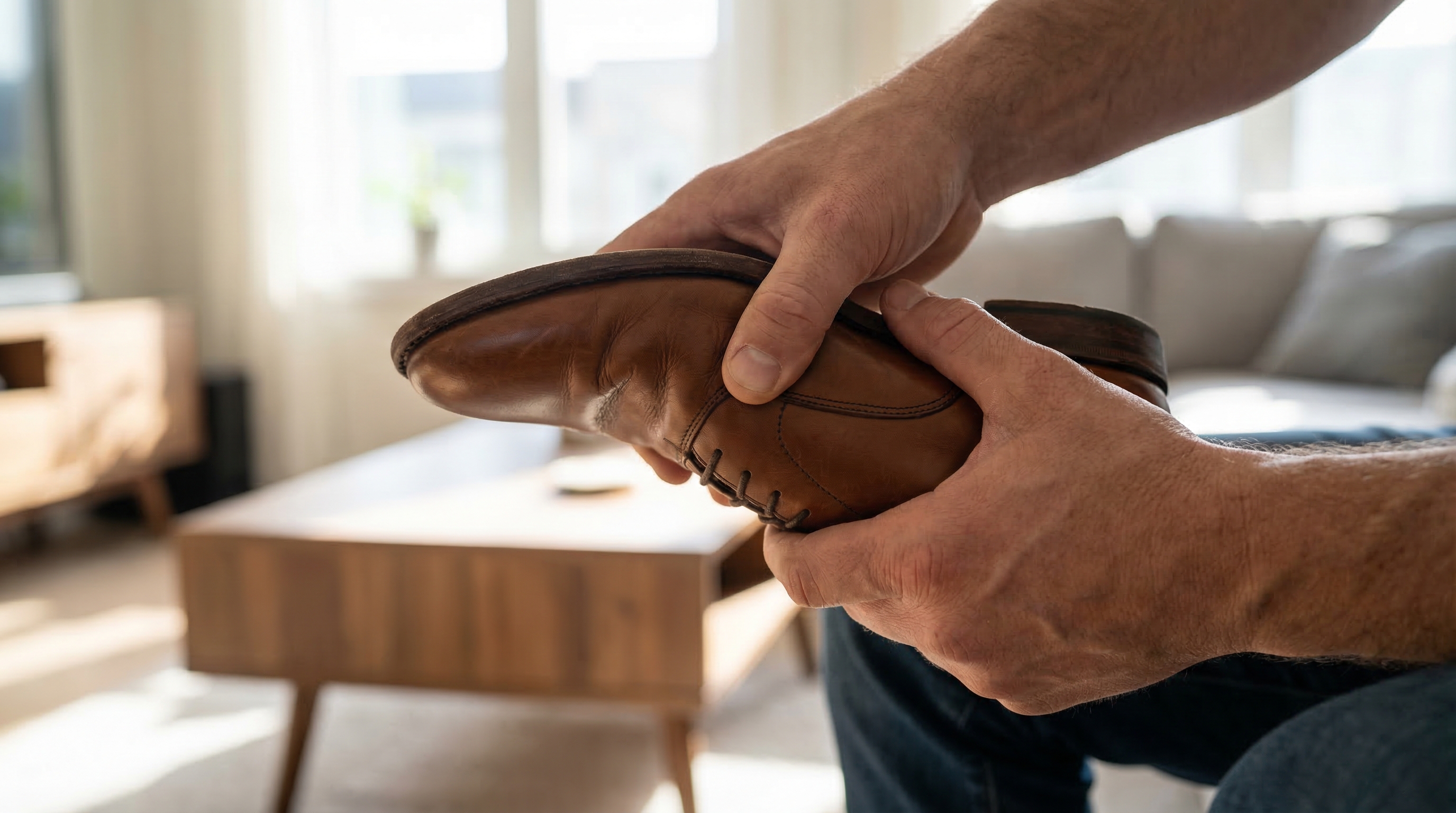
Before attempting any intervention, a systematic diagnostic phase is required. Attempting to fix a squeak without locating its origin is inefficient and can potentially damage the high-quality footwear construction of premium models. Squeaking is rarely a “whole shoe” issue; it is a localized failure of two surfaces to slide smoothly against one another.
The Mechanical “Stick-Slip” Phenomenon
At a scientific level, most shoe squeaks are caused by “stick-slip” vibrations. This occurs when the static friction between two surfaces is higher than the dynamic friction. As you walk, the surfaces “stick” together until the force of your stride overcomes the friction, causing them to “slip” rapidly. This cycle repeats at high frequencies, creating the audible squeak.
The Three-Point Diagnostic Test
To isolate the noise, perform these specific movements in a controlled environment:
- The Longitudinal Rock: While standing, slowly shift your weight from the heel to the toe without lifting the foot. If the squeak occurs during the transition, the issue is likely internal—either the insole rubbing against the midsole or a compromised internal shank.
- The Surface Variance Test: Walk across a polished hardwood or linoleum floor, then immediately transition to a carpeted surface. If the noise vanishes on the carpet, the culprit is the interaction between the outsole’s rubber compound and the floor’s finish.
- The Torsional Stress Test: Hold the shoe in both hands and gently twist it (as seen in the image above). If it squeaks during this manual manipulation, the issue is structural—potentially a loose heel, a failing adhesive bond, or a shifting internal component.
Here is the kicker: If you can’t replicate the sound by hand, the issue is almost certainly related to your weight compressing the internal foams or the interaction between your socks and the insole.
2. Moisture and Powder Solutions: Neutralizing Internal Friction
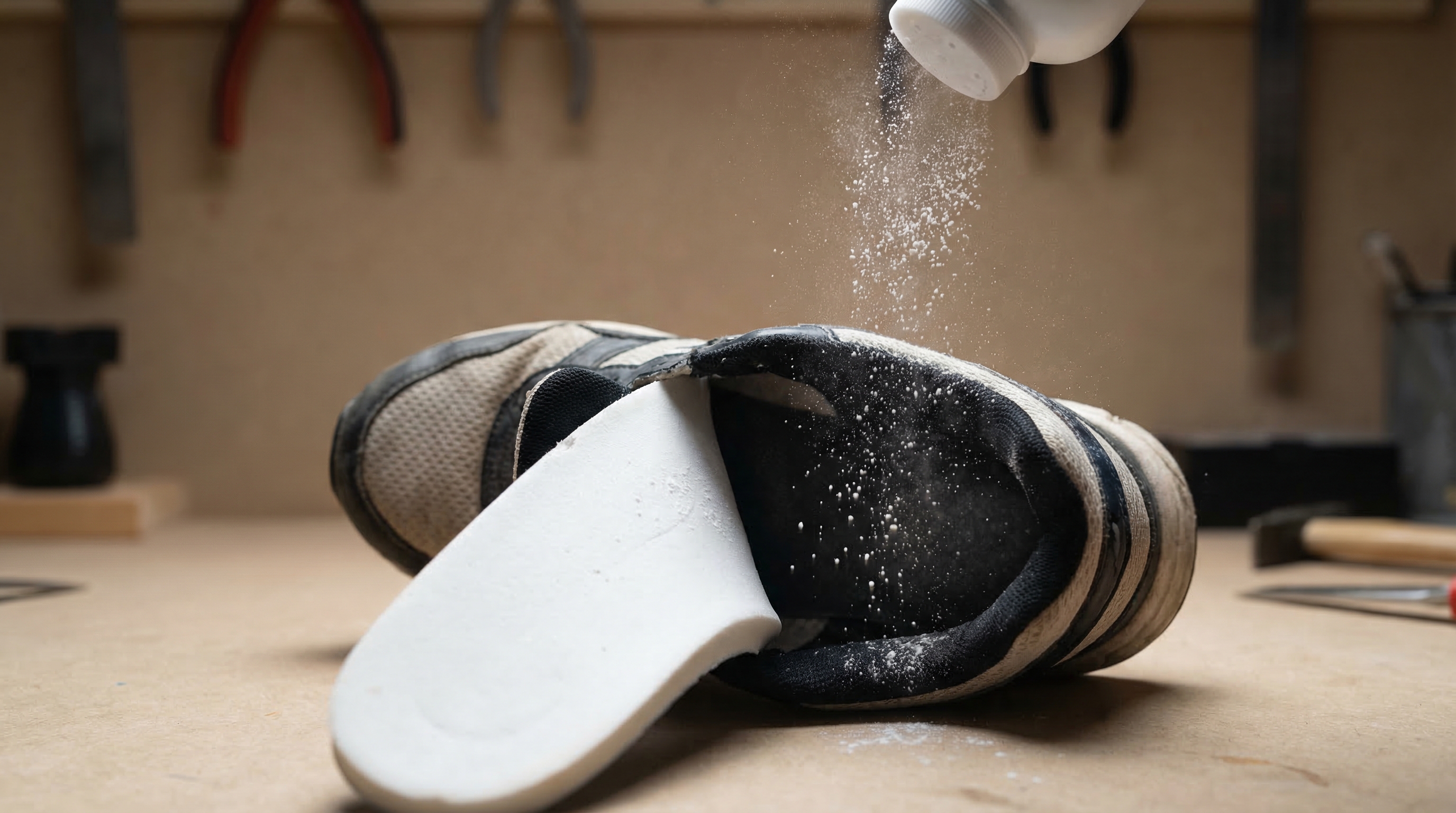
Moisture is the primary catalyst for internal footwear noise. When sweat or environmental water infiltrates the space between the removable insole and the permanent midsole, it creates a thin liquid film. This film increases the surface tension, causing the materials to “grab” each other rather than slide.
The Role of Absorbent Powders
The most effective way to combat this is by introducing a dry lubricant that serves two purposes: moisture absorption and surface separation.
- Talcum/Baby Powder: Talc is a soft mineral composed of magnesium, silicon, and oxygen. Its lamellar structure (thin, flat plates) allows the particles to slide over each other with minimal friction. By applying this between the insole and the shoe’s interior base, you create a microscopic “ball bearing” effect.
- Cornstarch: For those avoiding talc, cornstarch offers high moisture-wicking capabilities. While it is slightly more “clump-prone” than talc in high-humidity environments, it effectively neutralizes the stiction caused by sweat.
- Baking Soda: While less effective as a lubricant, baking soda is an excellent choice if the squeak is accompanied by odor, as it chemically neutralizes acidic sweat residues.
Professional Drying Protocols
If moisture has deeply penetrated the layers of a sneaker or boot, surface powdering is merely a temporary mask. You must restore the material’s equilibrium moisture content.
- Separation: Remove the insoles and laces to maximize surface area exposure.
- Capillary Action: Stuff the shoes with unprinted newsprint or cedar shoe trees. Cedar is particularly effective because it is naturally hygroscopic, pulling moisture out of the leather and linings.
- Avoid Thermal Shock: Never place shoes near a radiator or use a high-heat dryer. Excessive heat causes the collagen fibers in leather to shrink and become brittle, leading to permanent structural damage.
Manufacturer Pro Tip: Moisture Management
In premium manufacturing standards, moisture management begins at the assembly line. High-end factories use “non-wicking” threads and moisture-permeable membranes to ensure that even if water enters the shoe, it can escape. If a shoe squeaks excessively when wet, it often indicates a lack of internal “breathing rooms” or channels designed to vent air and moisture during the compression phase of a stride.
3. Friction and Lubrication Fixes: Silencing Moving Parts
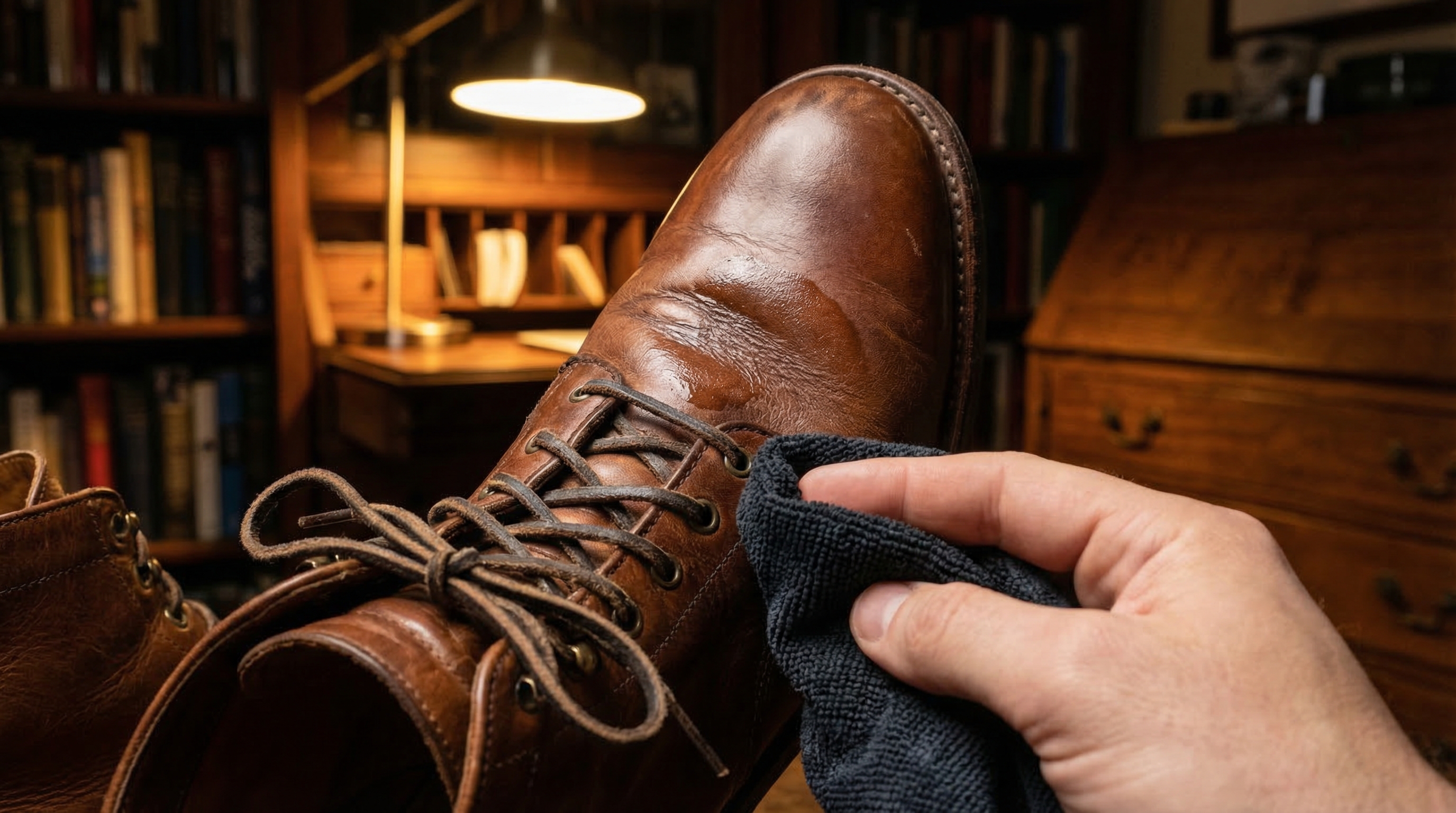
When a shoe is constructed, various materials—leather, synthetic textiles, thermoplastic polyurethanes (TPU), and foams—are layered and stitched. If these materials are too dry or have high friction coefficients, they will creak as the shoe flexes.
Silicone vs. Petroleum Lubricants
Choosing the right lubricant is critical for the longevity of the shoe.
- Silicone-Based Lubricants: Generally the safest choice for footwear. Silicone is chemically inert and does not degrade rubber or synthetic foams. A light application of silicone spray to a cloth, then wiped onto the tongue or eyelets, creates a persistent, invisible film that eliminates friction.
- Petroleum Jelly (Vaseline): Effective for leather-on-leather contact points (like where the tongue meets the quarters). However, petroleum can eventually weaken certain synthetic glues and “swell” natural rubber. Use it sparingly on high-stress points.
- Saddle Soap and Conditioners: For leather shoes, the “squeak” is often a cry for hydration. Leather is a network of protein fibers; when these fibers dry out, they grind against each other. Conditioning the leather (as shown above) restores the natural oils, allowing the fibers to slide silently.
Target Zones for Lubrication
- The Tongue-Quarters Interface: The most common site for “walking squeaks.” Apply a thin layer of conditioner to the underside of the eyelet stays and the top surface of the tongue.
- The Heel Counter: If the squeak happens as your heel lifts, apply a small amount of friction-reducing balm to the interior heel lining.
- Lace Eyelets: Metal or plastic eyelets can “chirp” against waxed laces. A tiny drop of silicone oil on the eyelet can resolve this instantly.
The best part? Regular conditioning not only stops the noise but significantly extends the life of the leather.
4. Outsole and Traction Modifications: Eliminating Floor Squeaks
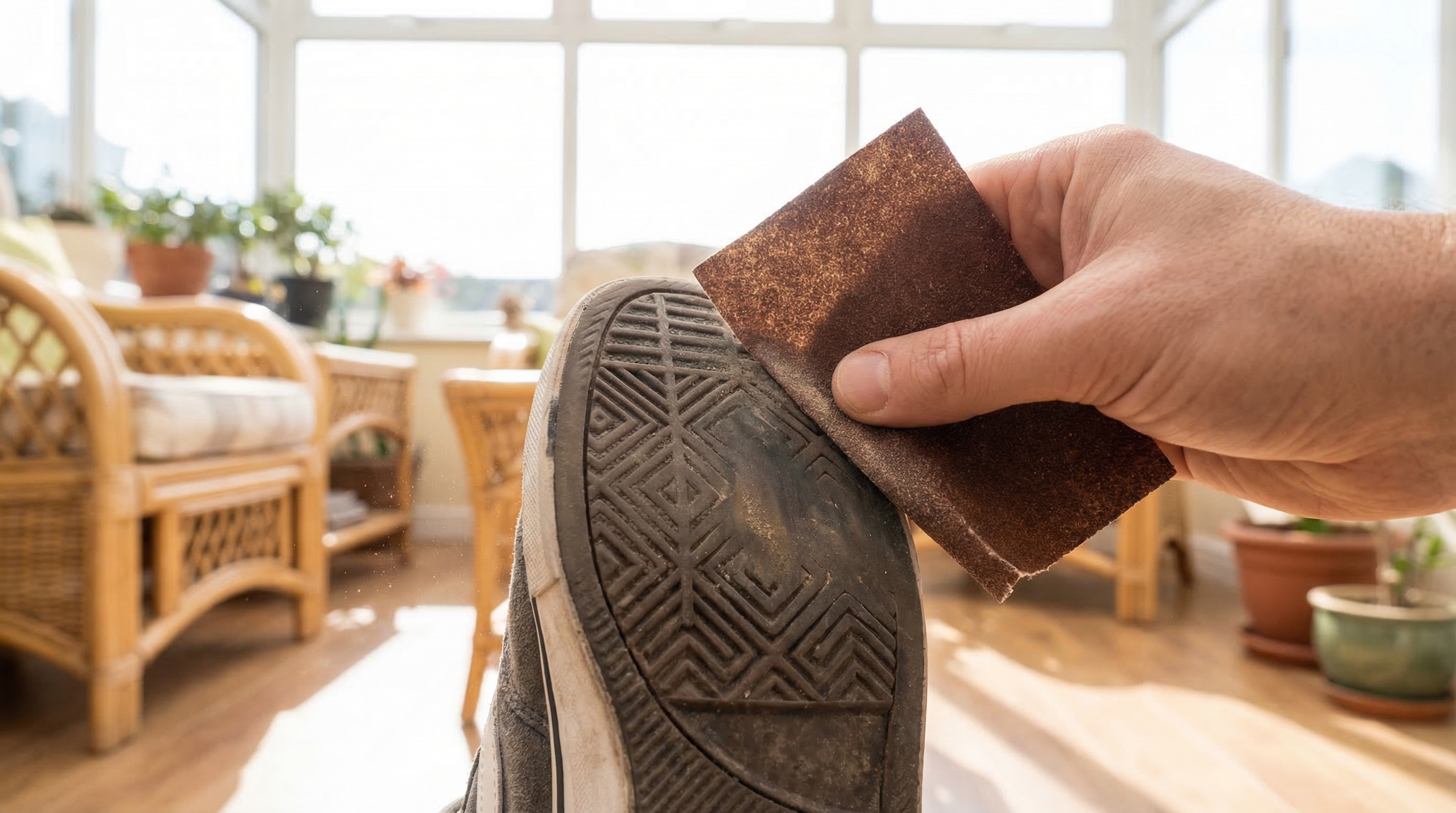
If your shoes only protest on polished surfaces like marble, tile, or basketball courts, the issue is not internal; it is a matter of “coefficient of friction” (CoF).
The Material Science of Outsole Noise
Outsoles are typically made from vulcanized rubber, EVA, or PU. A high-traction outsole is designed to “grip” the floor. However, if the rubber is too soft or has a smooth factory finish, it can create a “chatter” effect. This is particularly common in custom shoe designs that prioritize extreme grip.
Mechanical Abrasion (Sanding)
New shoes often have a “mold release” agent left over from the manufacturing process—a slick chemical film that allows the sole to be popped out of its metal mold.
- The Fix: Use a fine-grit sandpaper (400 to 600 grit) to lightly buff the contact points of the outsole. You aren’t trying to remove the tread; you are simply breaking the “glass-like” surface tension and removing the chemical residue. This increases the micro-roughness of the sole, allowing it to contact the floor without the “stick-slip” vibration.
Traction Sprays and Surface Modifiers
If you are hesitant to sand your soles, commercial traction sprays (often used by basketball players) can create a more consistent interface. Alternatively, rubbing a dryer sheet over the sole leaves a microscopic residue of fatty acids and surfactants that act as a temporary dry lubricant against the floor, silencing the squeak without making the shoe dangerously slippery.
5. Material-Specific Care: Leather and New Shoe “Break-ins”
Leather is a unique biological material. It consists of a dense matrix of collagen fibers that have been stabilized through the tanning process. Unlike synthetics, leather is dynamic—it expands and contracts based on ambient temperature and the heat generated by your foot.
The “Dry Fiber” Conflict
New, high-grade leather shoes often squeak because the fibers are tightly packed and haven’t yet developed the “travel” necessary for a silent gait. If the leather was over-dried during the lasting process at the factory, the grain surface can become brittle.
To address this, focus on the “flex points”—the areas where the shoe creases across the toes. Massaging these areas with a high-quality leather cream (containing mink oil or lanolin) softens the protein bonds, allowing the leather to bend without the fibers grinding against one another.
Tannage Variations and Noise
- Vegetable-Tanned Leather: Often stiffer and more prone to “creaking.” It requires a longer break-in period and more frequent conditioning to remain silent.
- Chrome-Tanned Leather: Generally softer and quieter from day one, but it can develop a “squeak” if the top-coat finish begins to delaminate or rub against the lining.
Make no mistake: A squeaky leather shoe is usually a sign that the material is thirsty for conditioning.
6. Structural and Glue Fixes: Repairing Delamination
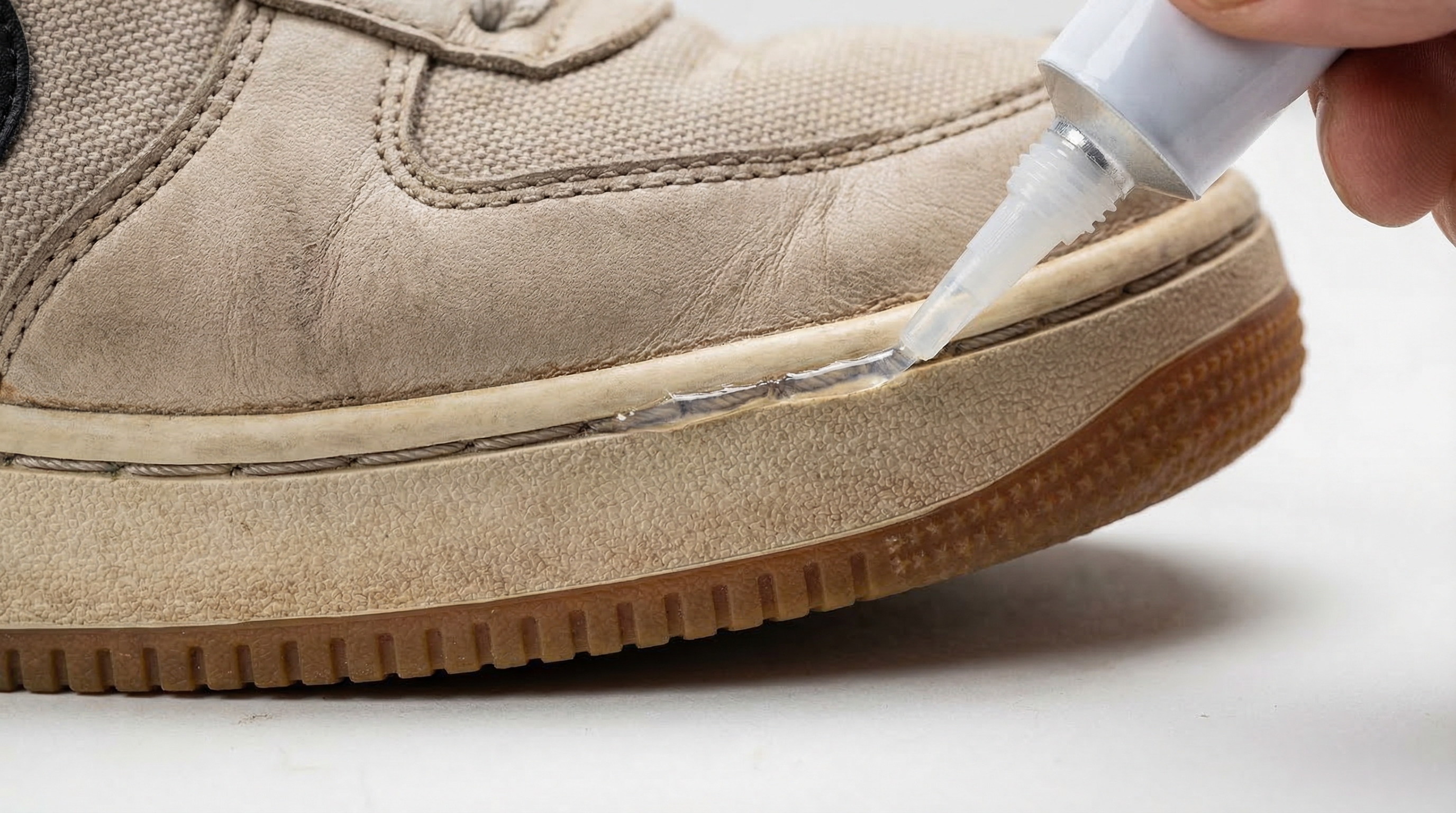
If your shoes continue to squeak after drying and lubrication, you are likely dealing with a structural failure. This is often where expert shoe manufacturers differentiate their products through superior bonding techniques.
Sole Delamination Mechanics
Delamination occurs when the adhesive bond between the outsole, midsole, and upper begins to fail. This creates a small air pocket. As you step, air is forced out; as you lift, air is sucked back in. This “bellows” effect creates a squelching or clicking sound.
- The Repair: Use a toothpick or nozzle to apply a specialized footwear adhesive (like contact cement or Shoe Goo) into the gap (as seen in the image above). It is vital to clean the area with isopropyl alcohol first to remove dirt and old glue. Clamp the shoe firmly for 24 hours to ensure the bond is restored.
The Problem with the Internal Shank
The shank is the “spine” of the shoe—a thin strip of steel, fiberglass, or plastic embedded in the midsole to provide arch support. If the shank becomes loose or the adhesive holding it fails, it will grate against the surrounding materials with every step.
- Diagnosis: If the squeak sounds like a metallic click or a deep, internal crackle that you can feel through your foot, it is likely the shank.
- Solution: This is a complex repair. It typically requires a cobbler to pull back the insole and possibly the midsole to re-secure the shank. For high-value footwear, seeking professional advice is always recommended over attempting to dismantle the sole yourself.
7. Proactive Prevention: The “Silent Stride” Protocol
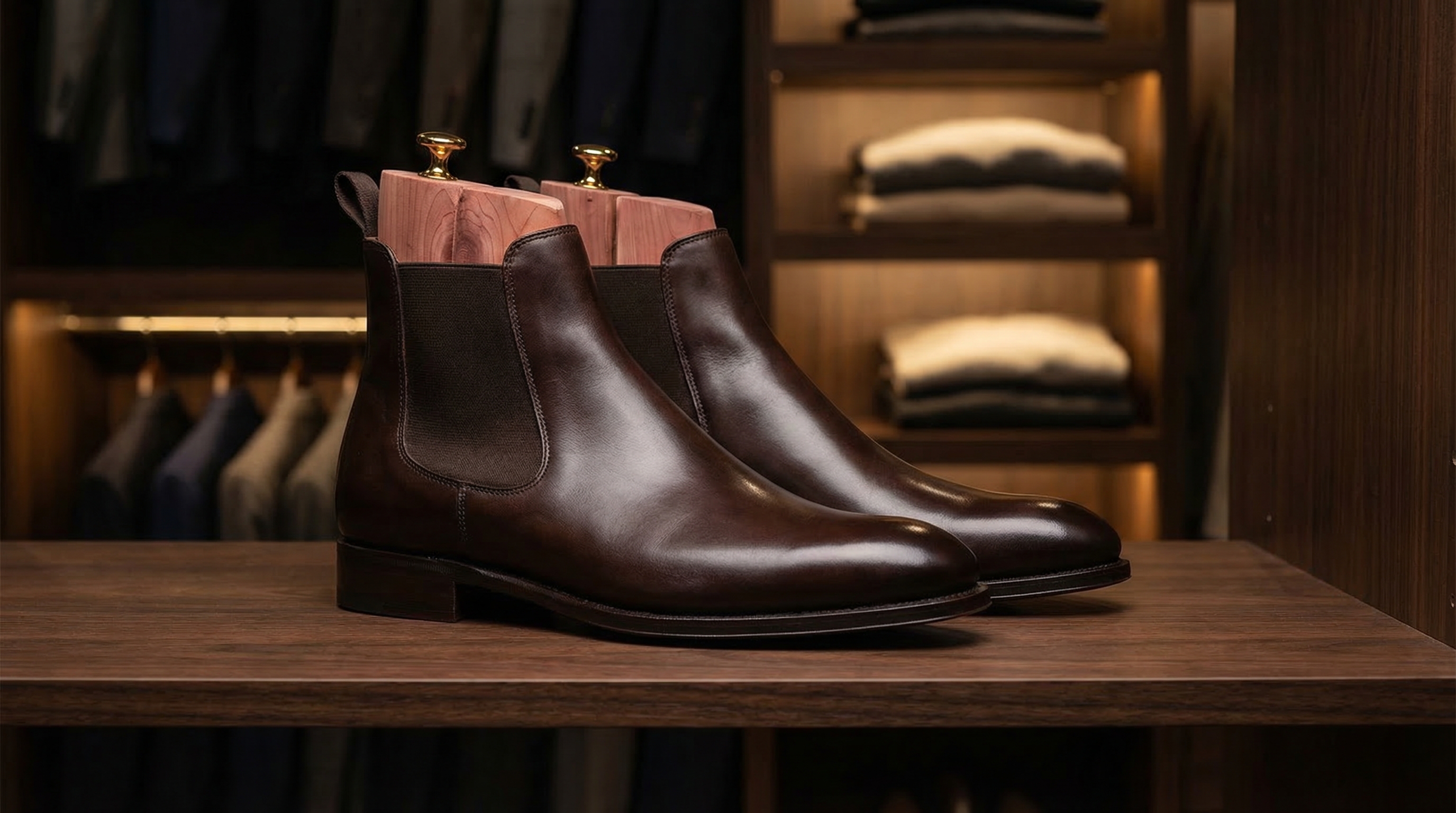
Longevity and silence in footwear are the results of consistent maintenance. As leading shoe manufacturing experts will attest, the environment in which you store your shoes is just as important as how you wear them.
The Power of Rotation
The “24-Hour Rule” is the most effective prevention method. Shoes need at least 24 hours between wearings to allow the internal foams and leathers to fully expel the moisture absorbed from your feet. Constant dampness weakens glues and creates the friction-heavy environment that leads to squeaking.
Using Cedar Shoe Trees
A cedar shoe tree (shown above) is an essential tool. It maintains the longitudinal tension of the shoe, preventing the “collapsing” of the arch and the deep creasing of the toe box. By keeping the materials taut and dry, you prevent the friction points from ever developing.
Manufacturer Pro Tip: Quality Standards
In the factory, “dwell time” (the amount of time a shoe stays on the last) and “press pressure” (the force used to bond the sole) are the two variables that prevent future squeaks. If a shoe begins to squeak within the first month of wear, it may indicate a manufacturing defect where the cement didn’t reach its full “green strength” before being packaged.
Summary Checklist for Prevention
- Rotate daily: Never wear the same pair two days in a row.
- Insert trees immediately: Use cedar trees while the shoes are still warm from wear.
- Clean the outsoles: Dirt trapped in treads can grind against the floor.
- Condition seasonally: Treat leather every 3-4 months based on usage.
8. Frequently Asked Questions (FAQ)
Why do my brand-new sneakers squeak right out of the box?
This is usually due to “mold release” agents on the outsole or the high friction of new, uncompressed EVA foam. Walking on a rough sidewalk for 15 minutes or lightly sanding the soles usually solves this within the first day.
Can I use WD-40 to stop my leather shoes from squeaking?
No. WD-40 is a penetrating oil and solvent. It is designed to displace water and break down rust. While it might silence a squeak temporarily, it will aggressively break down the glues and natural oils in your shoes, leading to premature delamination and leather cracking. Stick to silicone or specialized leather products.
Is a squeak a sign that my shoes are “cheap” or poorly made?
Not necessarily. Even handcrafted shoes costing thousands of dollars can squeak if the leather is dry or if they haven’t been broken in. However, a persistent “clacking” or “thumping” sound often indicates a loose shank or poor professional shoe resources used during the internal assembly.
What if the squeak is coming from inside the air bubble of my sneakers?
If a pressurized cushioning unit (like Nike Air) begins to squeak, it usually means the unit has been punctured or the surrounding foam has collapsed. This is a terminal structural failure and generally cannot be repaired.
Should I wash my shoes in the washing machine to stop them from squeaking?
This is strongly discouraged. The immersion in water and mechanical agitation can wash away internal lubricants and weaken structural adhesives, often resulting in more noise once the shoes dry and the materials become stiff.
Maintaining a silent, professional stride is a hallmark of the commitment to quality that defines the footwear industry. By understanding the interaction between materials and moisture, you can ensure your shoes remain as quiet as they are stylish.
For more specialized inquiries regarding shoe construction or bulk maintenance, feel free to get in touch with our footwear experts.