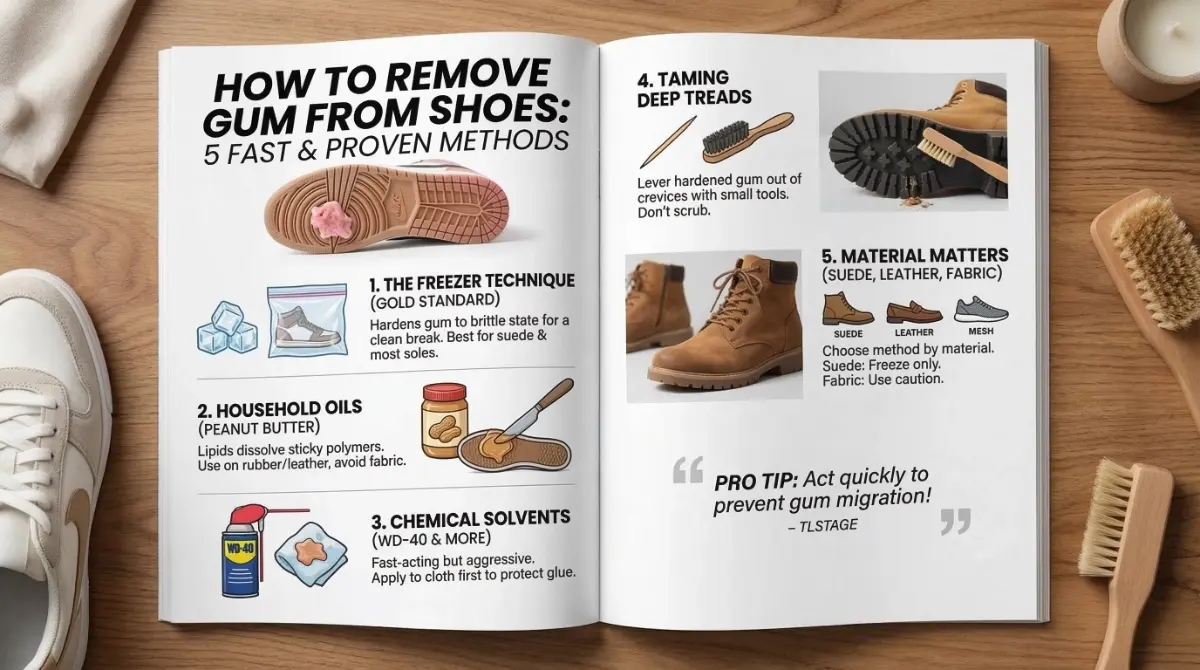
Stepping on a fresh piece of discarded chewing gum is a frustrating experience that can instantly ruin your day. It’s not just the sticky sensation; it’s the way the gum attracts grit, spreads across your carpets, and embeds itself into the deep, intricate crevices of your favorite footwear. If left untreated, the gum hardens into a dark, unsightly mass that permanently alters the traction and aesthetic of your shoes. Fortunately, whether you are dealing with expensive dress shoes or performance athletic sneakers, there are several scientifically proven ways to break the adhesive bond and restore your footwear to its original condition.
The most effective way to remove gum from shoes is to harden the residue using ice or a freezer to reach its “glass transition point” and then pry it off with a dull tool like a spatula or a credit card. For lingering residue, a non-polar solvent or lipid-based substance like peanut butter can dissolve the remaining synthetic polymers and allow for a clean wipe.
Quick Steps Summary
| Priority | Action Item | Estimated Time | Success Rate |
|---|---|---|---|
| Step 1 | Freeze the gum with ice or a plastic bag | 60 – 90 Minutes | 95% |
| Step 2 | Scrape the hardened mass using a dull tool | 5 Minutes | High |
| Step 3 | Dissolve remaining residue with a solvent | 10 Minutes | Moderate |
| Step 4 | Clean the area with mild soap and water | 5 Minutes | Essential |
| Step 5 | Air dry and apply material conditioner | 12 Hours | Maintenance |
How to Remove Gum from Shoes: 5 Proven Methods That Work Fast
When you find gum on your sole, your first instinct might be to scrape it against a curb, but this often makes the problem worse by pushing the gum deeper into the tread pattern. Modern chewing gum is a complex mixture of synthetic rubbers, resins, and polymers—specifically polyisobutylene—designed to be resilient, waterproof, and highly adhesive. To combat this, you need a strategy that either changes the gum’s physical state or breaks its chemical bond with the shoe material. By using temperature, lubrication, or chemical dissolution, you can remove the mass without causing permanent damage to the delicate fibers of your shoes.
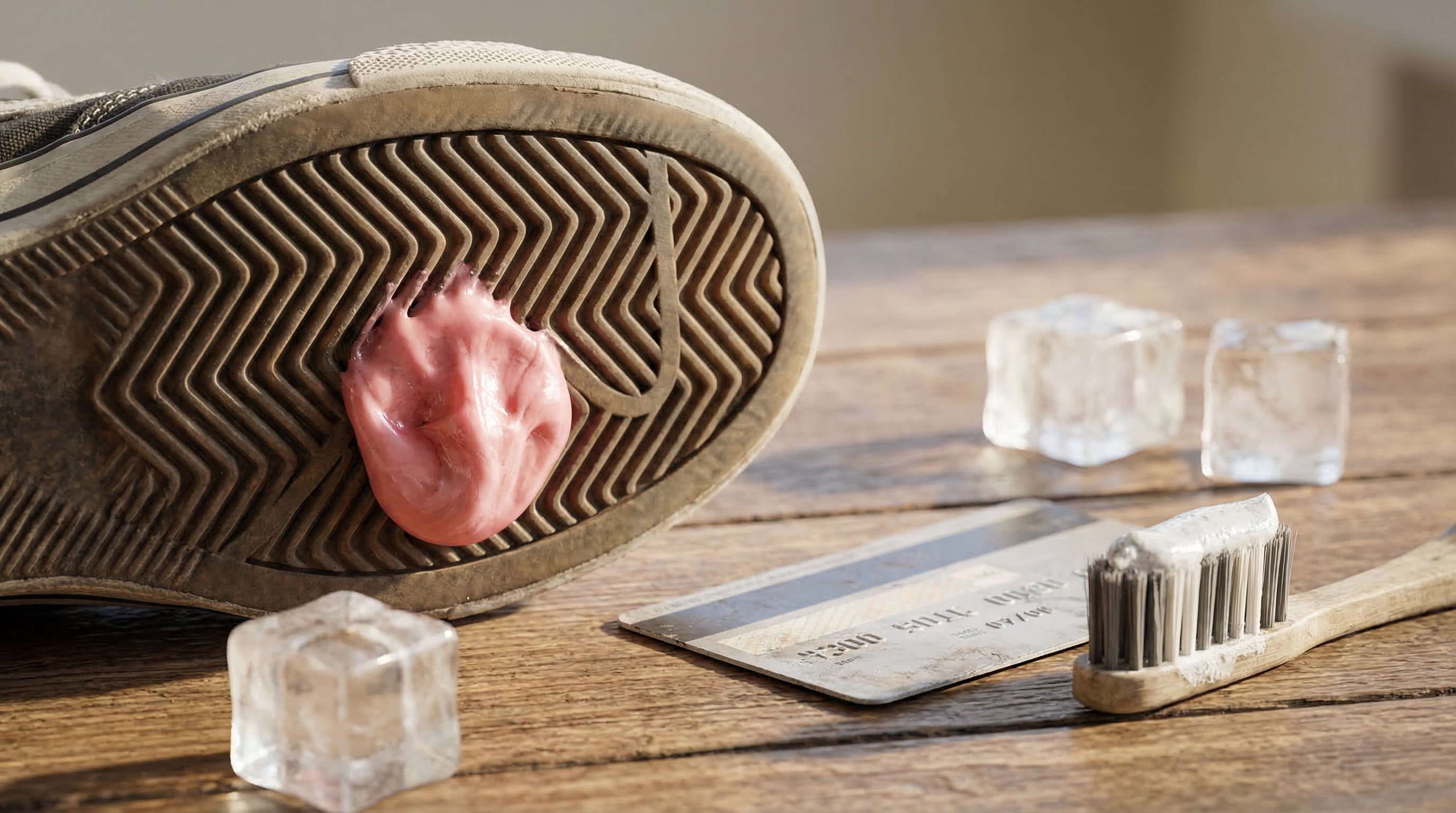
The most common methods include freezing, using household oils, applying chemical solvents like WD-40, using controlled heat, or applying rubbing alcohol. Each of these methods targets the gum’s molecular structure differently. For instance, freezing makes the gum brittle, while oils disrupt the sticky polymers through lipid interaction. Many people find that a combination of these methods works best for stubborn cases. Believe it or not, professional footwear solutions often rely on these same principles of material science. Acting quickly can prevent the gum from migrating from the sole to the upper materials, where removal becomes significantly more difficult.
The Freezer Technique: Hardening Gum for a Clean Break
The freezer method is widely considered the gold standard for gum removal because it requires no harsh chemicals and carries the lowest risk of staining. Scientifically, this method works by lowering the temperature of the gum below its Glass Transition Temperature (Tg). In its normal state, gum is a viscoelastic polymer—it acts like both a liquid and a solid. When frozen, the molecules lose their kinetic energy, and the material transitions into a “glassy state,” becoming brittle and losing its ability to flow into the pores of the shoe material.
Hardening Gum on Suede and Nubuck
Suede is notoriously difficult because its “nap” consists of tiny raised fibers. If you try to wipe gum off suede, you will simply coat those fibers in a layer of rubber.
- Place the shoe in a plastic bag, ensuring the bag is pressed firmly against the gum.
- Freeze for at least 2 hours.
- When you pull the bag away, the gum should snap off the fibers rather than tearing them.
- Use a dedicated suede brush to reset the nap.
Hardening Gum on Leather Soles
Leather is porous and can absorb the sugars and flavorings in gum. Freezing is the safest way to prevent these contaminants from leaching deeper into the hide. Since leather can contract in extreme cold, limit freezer time to no more than 90 minutes to prevent the leather from losing its natural moisture balance.
Manufacturer Pro Tip: The Thermal Shock Factor
Most modern shoe soles are made of EVA (Ethylene Vinyl Acetate) or vulcanized rubber. While these materials are designed to withstand various temperatures, avoid leaving shoes in sub-zero freezers for more than 4 hours. Prolonged exposure to extreme cold can cause certain foam midsoles to become brittle or lead to the “blooming” of rubber, where wax additives migrate to the surface, creating a white film. For those looking into wholesale shoe manufacturing, understanding these thermal limits is essential for quality control.
Using Household Oils: How Peanut Butter Dissolves Stickiness
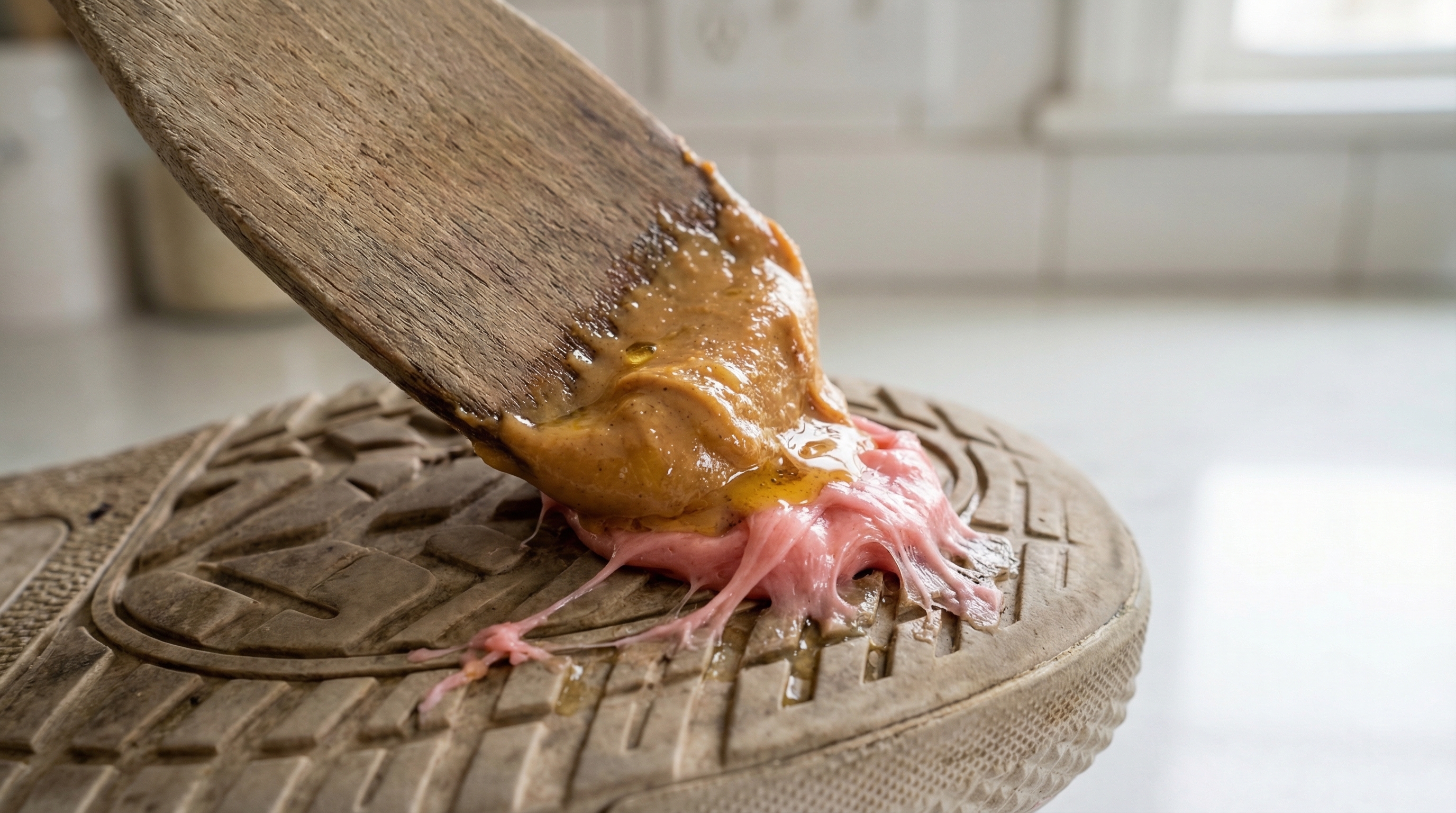
If you don’t have time to wait for a freezer, your kitchen pantry holds a surprisingly effective secret: lipids. Chewing gum is non-polar, meaning it does not dissolve in water. However, it does dissolve in other non-polar substances like fats and oils. Oils found in peanut butter, olive oil, or vegetable oil act as a solvent for the elastomers in gum. The fat molecules slide between the gum’s polymer chains, acting as a lubricant that reduces “intermolecular friction,” causing the gum to lose its grip on the outsole.
Safety First: Testing for Discoloration on Fabric and Leather
You must be extremely cautious when using oils on fabric-based shoes. Canvas and mesh are highly absorbent. While the oil will remove the gum, it may leave a permanent translucent grease stain that is nearly impossible to remove from white or light-colored fabrics. If you must use oil on mesh, apply it only to the gum using a cotton swab to avoid any contact with the fabric. Always perform a small spot test on the heel or an inconspicuous area before proceeding with a full application.
Taming Textured Soles: Getting Gum Out of Deep Treads and Ridges
Removing gum from a flat sole is relatively simple, but lugged soles—like those found on hiking boots or trail runners—present a much greater challenge. The gum often gets forced into deep “valleys” of the tread pattern, creating a mechanical lock. In these cases, the gum isn’t just sticking to the surface; it is physically anchored around the edges of the traction lugs.
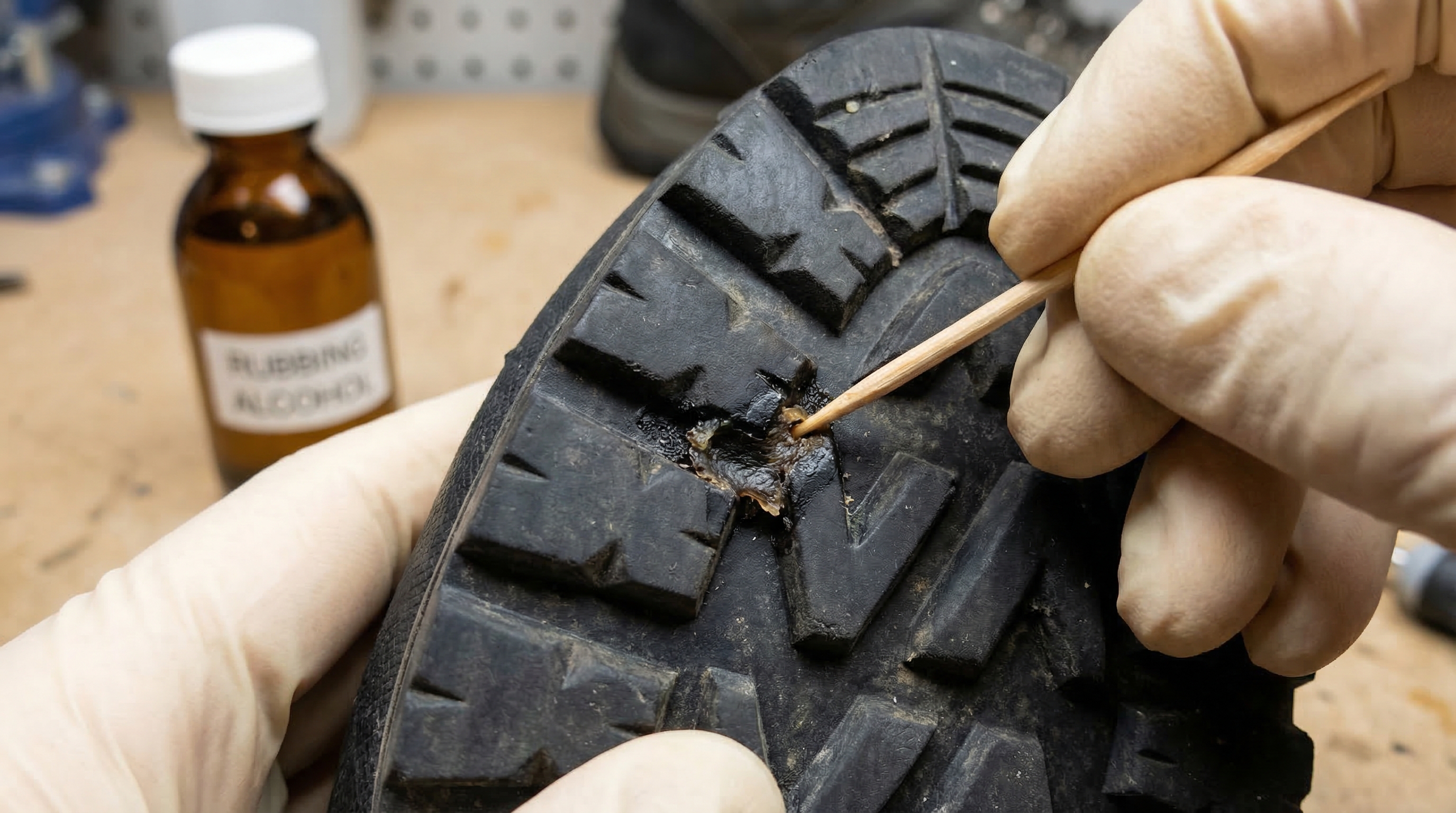
After the gum has been hardened via the freezer method, you will need a suite of small tools to extract the debris from the deep crevices. Use toothpicks or wooden skewers to reach the bottom of the tread. For heavy-duty work boots, a wire brush can lift gum that has bonded with mud or grit. Focus on a “levering” motion to pop the frozen gum out of the lugs rather than scrubbing, which might generate friction heat and melt the gum back into the sole texture.
Is WD-40 Safe for Your Shoes? Chemical Solvents Explained
WD-40 is a household staple that many turn to for removing adhesives, but its use on footwear requires professional caution. As a petroleum-based lubricant, WD-40 works by infiltrating the space between the gum and the shoe surface. It effectively “floats” the gum off the material by creating a barrier that the gum’s polymers cannot penetrate.
While it is undeniably fast, it is also chemically aggressive. When using chemical solvents, never spray them directly onto the shoe. Instead, spray the solvent onto a clean cloth and then dab the gum until it is saturated. This prevents the liquid from seeping into the seams of the shoe, where it might dissolve the cement holding the sole to the upper. If you are dealing with high-performance athletic shoes, the specialized foams (like Nike’s ZoomX or Adidas’ Boost) might be particularly sensitive to petroleum distillates, leading to a permanent loss of cushioning.
Manufacturer Pro Tip: The Adhesive Bond Warning
In custom footwear production, the bond between the outsole and the midsole is often achieved through specific heat-activated or solvent-based adhesives. Using WD-40 or heavy degreasers near these edges can lead to “delamination”—where the sole starts to peel away from the shoe. Always apply solvents at least 5mm away from the glue line to protect the shoe’s structural integrity.
Material Guide: Protecting Suede, Canvas, and Luxury Leather
Not all shoes are created equal. A method that works on a rubber flip-flop could ruin a pair of $500 luxury loafers. Understanding the material you are working with is the most important step in the process.
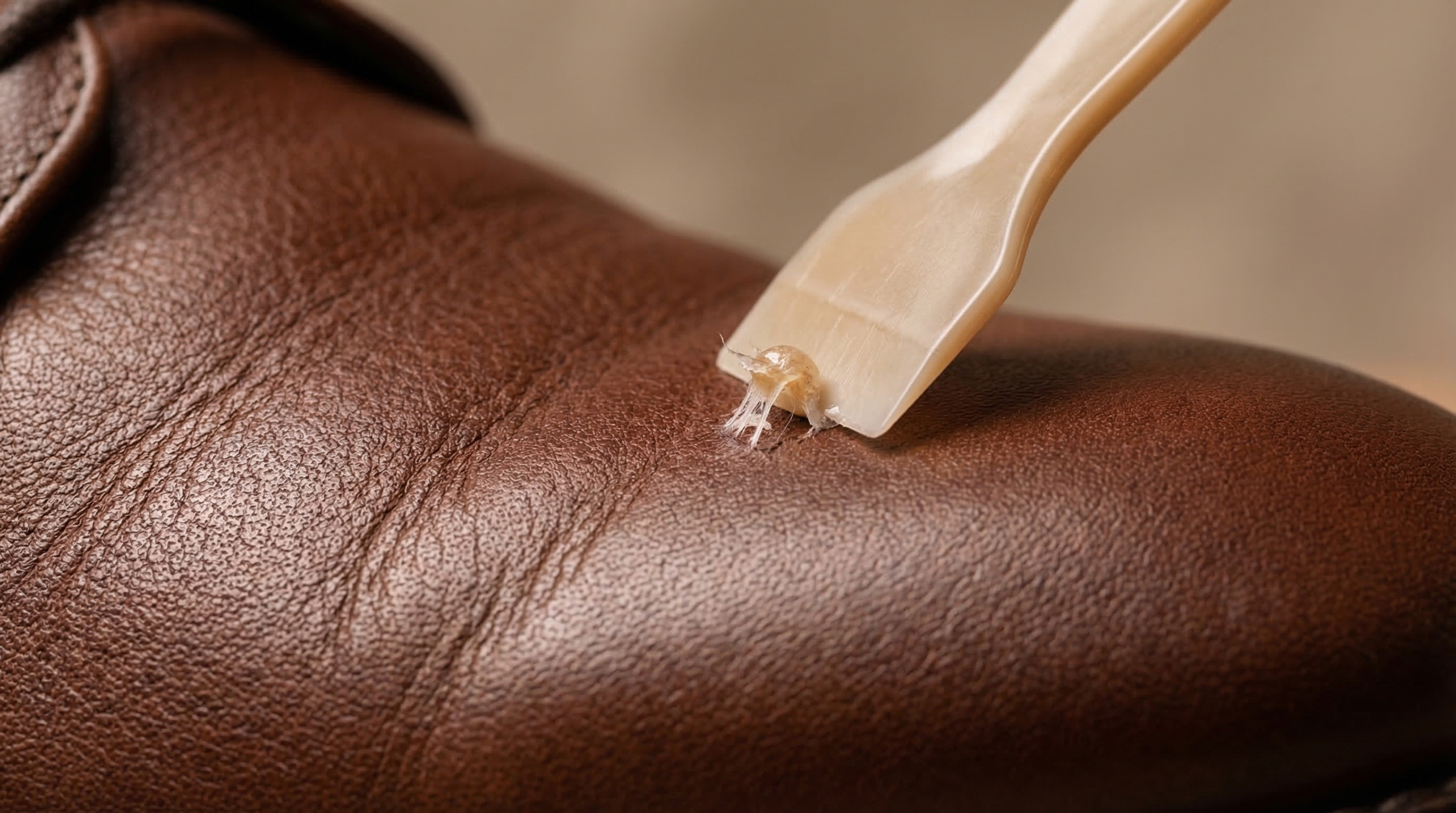
- Natural Leather: Leather is skin and has pores. If you use a solvent like acetone, you will strip the natural oils and the pigment. Stick to the ice method or a specialized leather cleaner.
- Synthetic Mesh and Knit: Mesh shoes act like a sieve for gum. The gum weaves itself through the holes. You need to saturate the gum with rubbing alcohol (isopropyl) to break the bond, then use a soft toothbrush to gently “tease” the gum out of the weave.
- Suede and Nubuck: The only safe way is freezing. Anything else—water, oil, or chemicals—will likely result in a permanent change in color or texture. If a stain remains, use a gum eraser or a suede stone to buff it out once the area is completely dry.
Post-Removal Care: How to Clean Residue and Restore Sole Grip
Even after the main clump of gum is gone, a sticky “shadow” often remains. This residue is a magnet for dirt, hair, and grit. Over time, this mixture creates a smooth, slippery patch on your sole that can be dangerous on wet surfaces. To fully restore the traction of your sole, you must remove every trace of the gum’s adhesive.
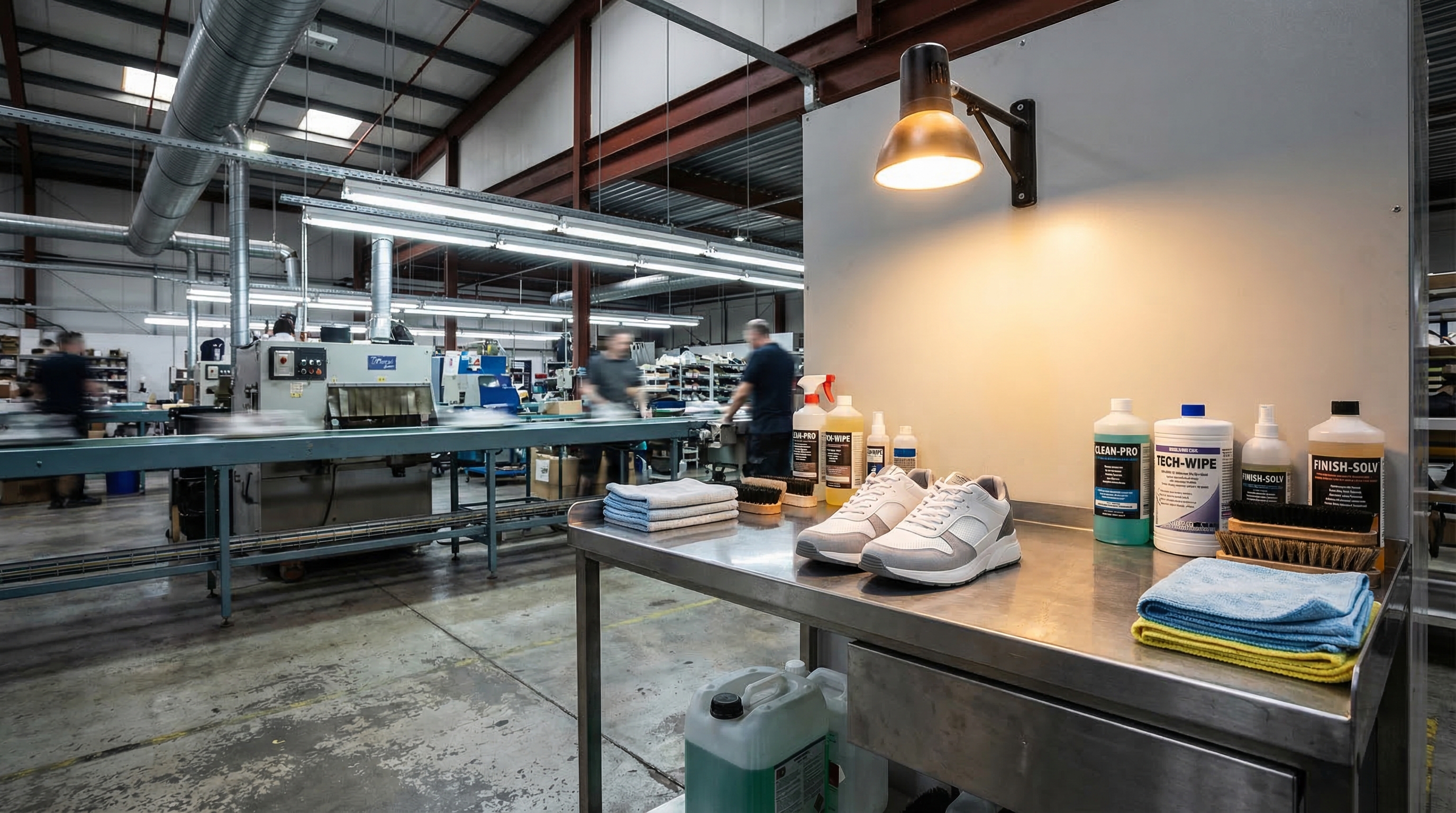
If you used oil or WD-40, the sole is now covered in a lubricant. Create a paste of baking soda and water and scrub the area with a stiff brush to “lift” the remaining oils. Rinse with a damp cloth and dry immediately. For the upper materials, especially leather, applying a high-quality conditioner is essential to restore moisture lost during the cleaning process. Our manufacturing heritage suggests that maintaining the pH balance of the leather is key to preventing long-term cracking.
When to Call the Pros: Handling Gum on High-Value Footwear
There are times when DIY methods are simply too risky. If you have stepped on gum while wearing designer heels, vintage collectibles, or shoes with delicate exotic skins (like alligator or ostrich), the best move is to stop immediately and take them to a professional cobbler. Professionals have access to industrial-grade ultrasonic cleaners and specialized non-polar solvents that can lift adhesives without affecting the underlying dyes.
Furthermore, if the gum has been ground into a delicate internal lining or a silk ribbon lace, home remedies will likely cause permanent staining or fraying. If the shoe’s value exceeds $300, the cost of a professional cleaning is a worthwhile insurance policy against accidental damage.
Proactive Sole Protection: Can You Prevent Gum from Sticking?
While you can’t always control where you step, certain sole materials are more “gum-friendly” than others. In the world of leading shoe manufacturing, we often look at the surface energy of materials. Some high-tech outsoles are now treated with hydrophobic and oleophobic coatings that make it harder for substances like gum to form a permanent bond.
Manufacturer Pro Tip: The Heat Sensitivity of EVA
For those involved in the technical side of footwear, it’s important to note that EVA foam (common in midsoles) has a relatively low melting point. Using a high-heat hairdryer to soften gum can permanently “collapse” the air cells in the foam, leading to an uneven gait and destroying the shoe’s ergonomic value. If you use heat, never exceed 120°F (48°C).
Frequently Asked Questions (PAA)
Can I use a hair dryer to remove gum from my shoes?
Yes, heat can soften old, hardened gum, making it pliable enough to scrape away. However, this is only recommended for hard rubber soles. You must be extremely careful not to overheat the shoe, as excessive heat can melt the glues holding the sole together or cause synthetic materials like EVA to warp. Always use a low heat setting.
Is it safe to use nail polish remover on shoe soles?
Nail polish remover usually contains acetone, which is a very aggressive solvent. While it will dissolve gum almost instantly, it can also melt many types of plastic and rubber soles, and it will definitely strip the finish off leather. It is generally recommended to avoid acetone unless you are certain the sole is made of high-density vulcanized rubber.
How do I get gum off the fabric part of my sneaker?
For fabric or mesh, the freezing method is still the safest. Once the gum is hardened and removed, treat the remaining residue with a mixture of grease-cutting dish soap and warm water. If a stain remains, a small amount of rubbing alcohol on a cotton ball can help lift the pigment without damaging the fibers.
Will vinegar remove gum from shoes?
White vinegar is a mild acid that can help break down the stickiness of gum. It is particularly useful for cleaning up the residue left behind after the main mass has been removed. It is much safer for use on canvas and some leathers compared to heavy chemical solvents like WD-40.
How long does it take for the freezer method to work?
For the best results, leave the shoe in the freezer for at least 60 to 90 minutes. The goal is to ensure the gum is frozen all the way through to its core, reaching its glass transition point. If the gum still feels “squishy” or elastic when you touch it, it needs more time in the cold to become properly brittle for scraping.
For more expert advice on material durability or to start your own production journey, contact our shoe experts today.