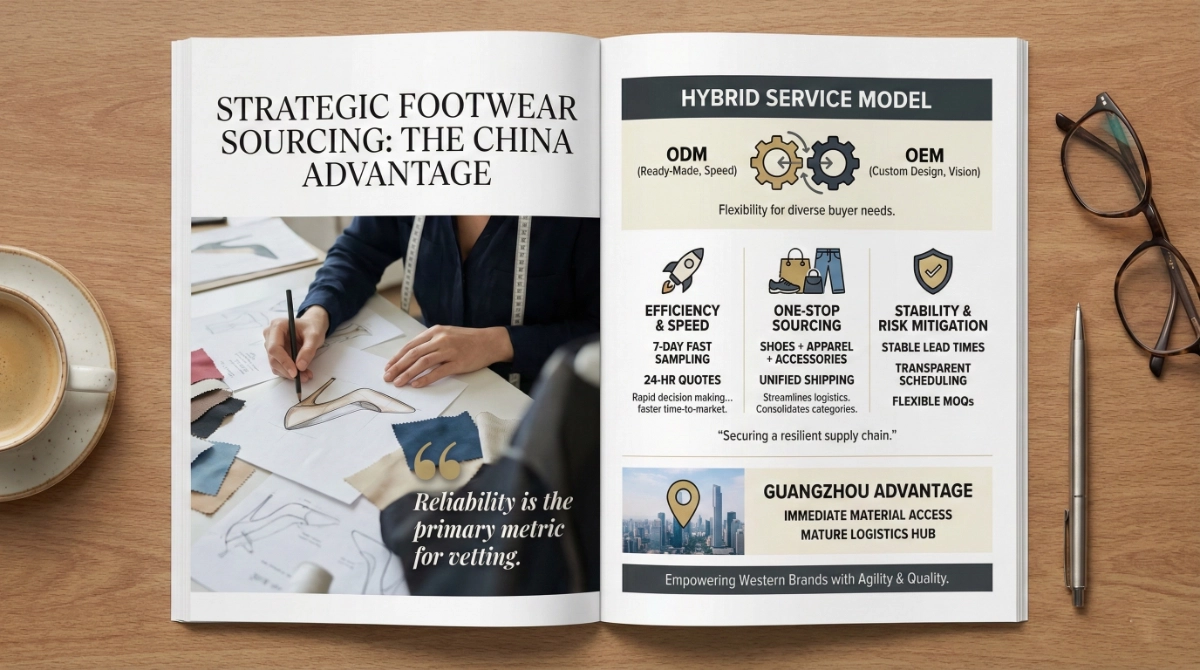
Sourcing apparel and footwear from Asia remains a cornerstone strategy for Western fashion brands aiming to secure healthy margins and scalable production capacity. However, the current landscape is fraught with complexities. From communication breakdowns to quality inconsistencies that can derail a season’s launch, the risks are as high as the rewards.
But here’s the kicker… finding a partner that balances cost-efficiency with Western quality standards is increasingly difficult in a saturated market. Many buyers find themselves locked into prohibitive Minimum Order Quantities (MOQs) or dealing with factories that prioritize sheer volume over craftsmanship.
To succeed, you need more than just a production line; you need a partner who offers stability, transparency, and a sophisticated understanding of global trends. A specialized Women’s Footwear Manufacturer in China, such as TLSTAGE, offers a distinct competitive edge by combining Original Design Manufacturing (ODM) with Original Equipment Manufacturing (OEM) capabilities. This analysis examines how strategic partnerships can solve the needs of chain stores and wholesalers, providing robust solutions for high heels, jeans, and fashion accessories.
1. Why Is Vetting Chinese Manufacturers Critical?
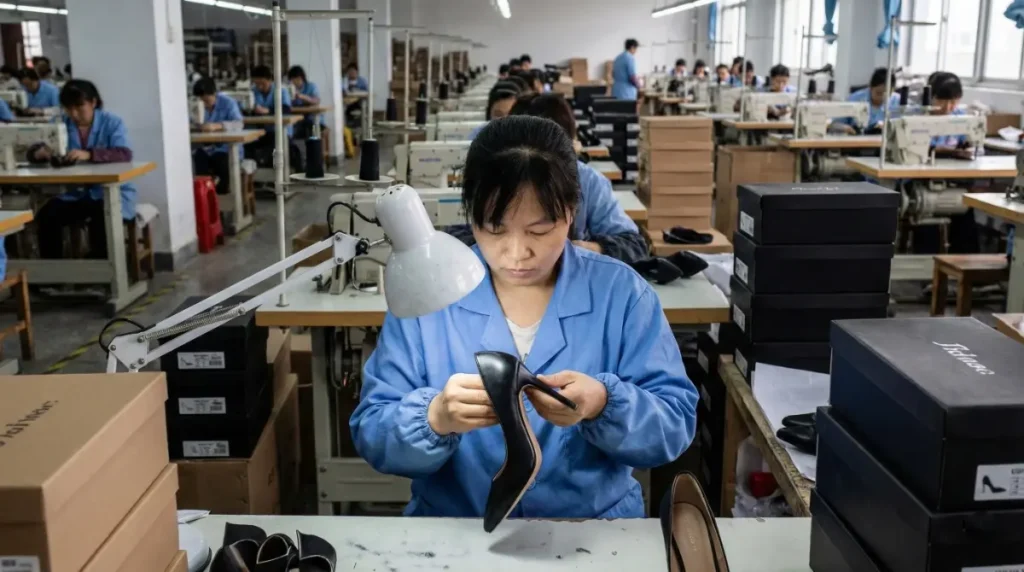
Global fashion retail operates on unforgiving schedules and razor-thin margins. Selecting a manufacturing partner is not merely a transactional hunt for the lowest price; it is about securing a resilient supply chain capable of adapting to rapid market shifts. While China produces approximately 65% of the world’s footwear, particularly in powerhouse hubs like Guangdong and Fujian, the sheer volume of suppliers creates a “paradox of choice.”
What’s the real story? Success depends on finding a supplier who acts as an extension of your business. A partner must bridge the gap between Eastern production capabilities and Western design expectations. Brands risk significant revenue loss if shipments are delayed due to raw material shortages or if sizing specifications fail to meet the demographic’s needs.
Mitigating Cross-Border Risk
For a Women’s Footwear Manufacturer in China to be effective, they must navigate complex logistics and compliance issues that would otherwise stall a Western brand’s operations.
- Risk Reduction: A competent partner manages raw material scarcity to prevent production halts.
- Standardization: Ensuring output matches specific Western sizing charts (US/UK/EU) to reduce return rates.
- Logistics Mastery: Navigating customs and export regulations to ensure “landed” dates are met.
The Strategic Value of Reliability
Reliability is the primary metric for vetting. TLSTAGE, based in Guangzhou, exemplifies this by maintaining a focused business model that prioritizes B2B trading relationships.
- Access to Materials: Located in a major hub for immediate access to premium leathers and textiles.
- Lead Time Security: Established relationships with material providers ensure that lead times remain competitive, even during peak seasons.
- Business Continuity: A partner embedded in the ecosystem can solve unforeseen problems quickly, unlike isolated factories.
Key Takeaway: Vetting is not about finding a factory; it is about securing a supply chain partner who mitigates the inherent risks of cross-border trade through location, experience, and reliability.
2. How TLSTAGE Redefines B2B Solutions
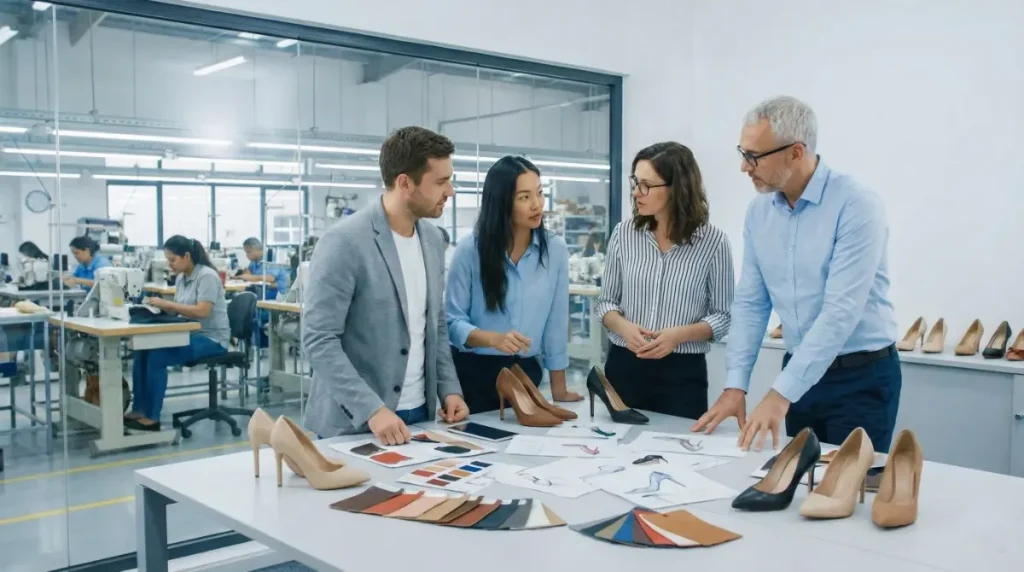
TLSTAGE operates as a dedicated B2B trading entity with a dual focus on ODM and OEM services. Situated in Guangzhou, the company leverages the city’s status as a premier textile and footwear node to serve a global clientele. Unlike massive, impersonal factories that often suffer from bureaucratic inertia, TLSTAGE maintains an agile core team.
Ready for the good part? This structure allows for personalized attention to client details while still managing significant order volumes through a verified manufacturing network. This hybrid model ensures that you receive the responsiveness of a boutique agency with the production power of a major industrial player.
Adopting a Service-First Model
The company targets specific export markets, including the UK, US, Italy, Spain, and Southeast Asia. This international footprint demonstrates an ability to meet diverse regulatory and aesthetic standards.
- Cultural Adaptation: Understanding the distinct preferences of a buyer in Manchester versus one in Lisbon.
- After-Sales Support: Mitigating the risks of international trade by remaining accountable after the goods have shipped.
- Admin Reduction: Handling the entire lifecycle from concept to shipping to reduce the workload on your procurement team.
Operational Agility Overview
The following table outlines how the operational structure directly benefits Western clients:
| Feature | Description | Client Benefit |
|---|---|---|
| Strategic Location | Guangzhou, China | Immediate access to premier material markets and logistics hubs. |
| Team Structure | Specialized Agile Team | Personalized communication and faster decision-making loops. |
| Export Markets | UK, US, EU, SE Asia | Proven familiarity with diverse international quality standards. |
| Core Promise | 24-Hour Quotation | Rapid cost assessment allowing for faster budgeting and bidding. |
Key Takeaway: An agile B2B partner bridges the gap between manufacturing rigidity and retail fluidity, offering a service layer that simplifies international procurement.
3. Specialized Capabilities in Women’s Footwear
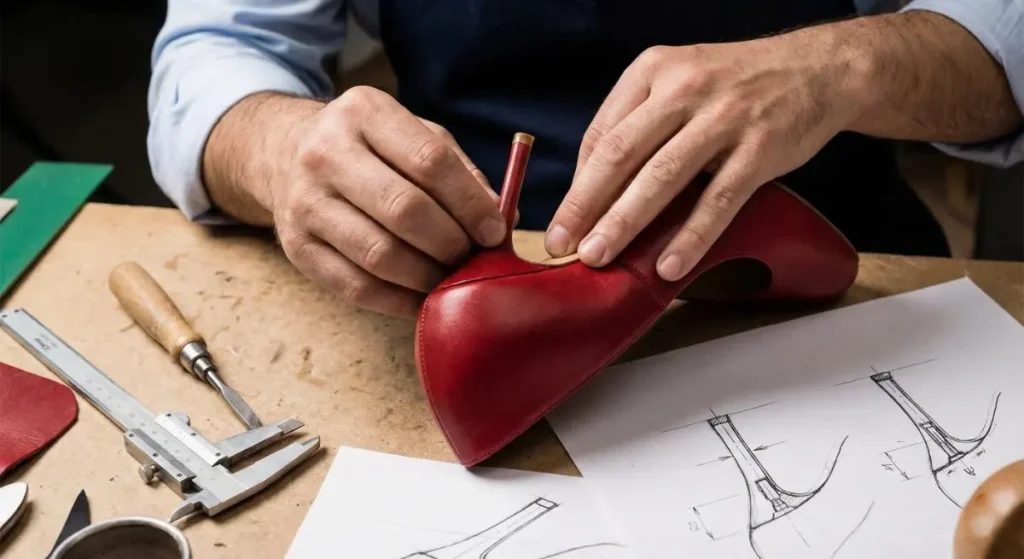
The core competency of TLSTAGE lies in the production of women’s fashion footwear, with a specific emphasis on high heels. In the realm of footwear manufacturing, specialization is the key to mastering the delicate balance between comfort and style. Producing high heels requires precise engineering to ensure stability and fit—areas where generalist manufacturers often fail.
This is where it gets interesting… TLSTAGE leverages skilled craftsmanship to produce footwear that meets the fashion-forward demands of markets like Italy and the US. Their experience launching their own brand, “ONESWEEK,” has provided them with deep, first-hand insights into the nuances of comfort engineering.
Mastering High Heel Engineering
Comfort in high heels is a technical challenge, not just a design choice.
- Weight Distribution: Engineering the shank and heel placement to ensure stability.
- Material Selection: Using materials that prevent blistering while maintaining structural integrity.
- Aesthetic Precision: Ensuring the final product matches the high-fashion look required by Western boutiques.
Rapid Prototyping and Integration
Speed is critical in fashion. TLSTAGE offers fast sample production, typically within 7 days.
- Physical Inspection: Enabling buyers to touch and try on prototypes before committing capital.
- Category Integration: Beyond shoes, they integrate fashion expertise to suggest matching accessories.
- Cohesive Collections: Developing belts or bags that perfectly match the footwear for a unified retail presentation.
Footwear Capability Matrix
The table below details the specific strengths in their footwear production:
| Capability | Primary Focus | Strategic Value |
|---|---|---|
| Design Engineering | High Heels | Ensuring stability and comfort in technically difficult styles. |
| Speed to Market | 7-Day Sampling | Rapid prototyping allows for quick trend capture. |
| Holistic Sourcing | Accessory Integration | Ability to create matching sets (shoes + bags) in one facility. |
| Brand Insight | “ONESWEEK” Experience | First-hand knowledge of retail pain points and consumer needs. |
Key Takeaway: Specialization in high heels requires a blend of engineering and art; partnering with a manufacturer who understands both ensures a product that sells and reduces returns.
4. The Efficiency of One-Stop Sourcing
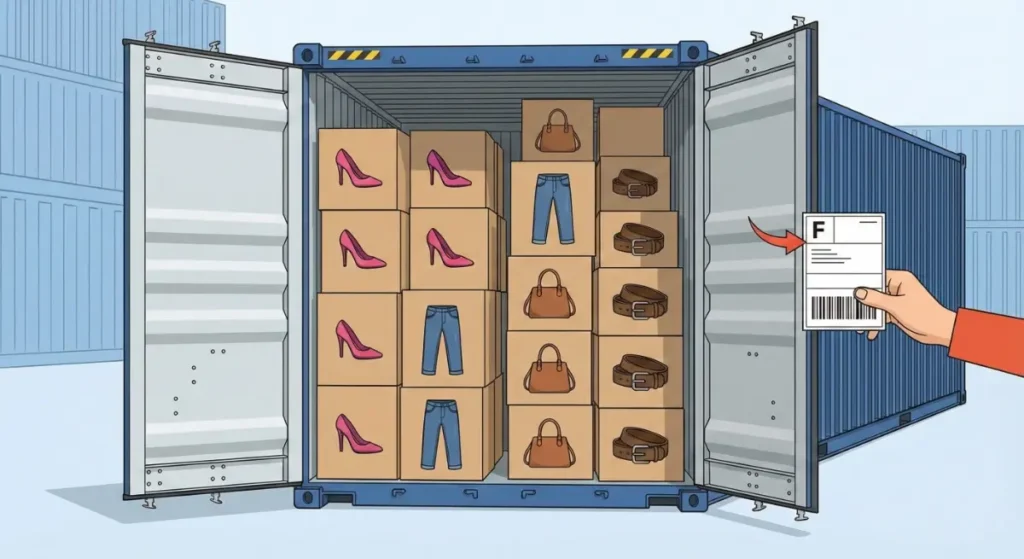
Modern procurement managers face immense pressure to reduce administrative overhead. Managing ten different suppliers for shoes, jeans, belts, and socks creates a logistical nightmare involving multiple invoices, shipping schedules, and quality control standards. TLSTAGE addresses this by offering a comprehensive “One-Stop Sourcing” solution.
You might be wondering… does breadth compromise depth? In this case, the company maintains a strong primary focus on shoes and jeans while effectively managing secondary categories like bags and hats. This allows clients to build fully coordinated looks without sourcing from disjointed factories.
Streamlining Supply Chain Logistics
Consolidating categories simplifies communication and logistics significantly.
- Unified Shipping: One shipment can contain a complete seasonal line, reducing customs paperwork.
- Cost Reduction: Lower shipping costs by consolidating LCL (Less than Container Load) shipments into FCL (Full Container Load).
- Aesthetic Consistency: Ensuring color palettes for denim and heels align perfectly by sourcing from the same hub.
Product Category Synergy
This table highlights the synergy available through a single strategic partner:
| Category | Primary Focus | Production Strength |
|---|---|---|
| Footwear | High Priority | Design precision, comfort engineering, fast sampling. |
| Apparel | High Priority | Denim sourcing, fit consistency, varied wash techniques. |
| Accessories | Secondary | Material matching, hardware quality, trend alignment. |
| Textiles | Secondary | Cost-effective add-ons like socks/hats for volume production. |
Key Takeaway: One-stop sourcing is not just about convenience; it is a strategic efficiency booster that reduces administrative costs and ensures design coherence across product lines.
5. Addressing Pain Points for Chain Store Buyers
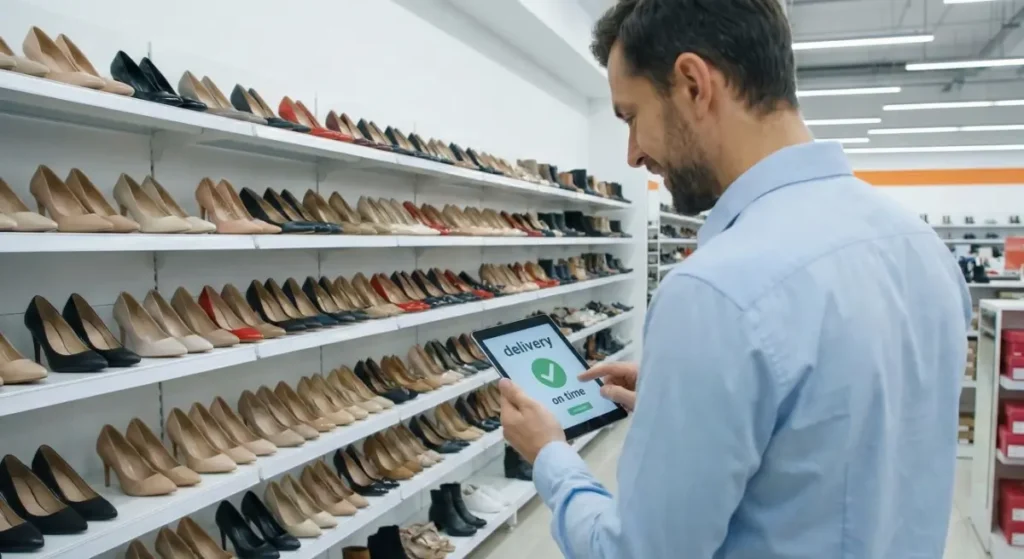
Consider the persona of a Senior Footwear Buyer for a large retail chain. This buyer manages a massive budget and hundreds of stores. Their primary nightmare is a supply gap. If a supplier fails to deliver volume on time, empty shelves translate directly to lost revenue. A Women’s Footwear Manufacturer in China must demonstrate the capacity to handle scale without sacrificing consistency.
Here’s the deal… large-scale buyers are risk-averse. They need reliable data and proven track records. TLSTAGE caters to this by offering timely quotations—often within 24 hours—and transparent production schedules.
Ensuring Consistency at Scale
For chain stores, a delay of one week can disrupt a national marketing campaign.
- Timely Quotations: Rapid pricing enables quick internal approval processes.
- Transparent Scheduling: Realistic production timelines (30-45 days) prevent marketing misalignments.
- Visual Updates: Weekly production updates with real photos give buyers visibility to report to stakeholders.
Compliance and Large-Scale Solutions
Meeting the rigorous demands of chain retailers requires strict adherence to standards.
- Regulatory Compliance: Adhering to safety and material regulations required by Western chains.
- Batch Consistency: ensuring the 1,000th pair looks exactly like the 1st pair.
Chain Store Solutions Matrix
The following analysis outlines how TLSTAGE solves specific high-volume challenges:
| Buyer Pain Point | The Challenge | TLSTAGE Solution |
|---|---|---|
| Supply Gaps | Empty shelves mean lost revenue. | Verified capacity for volume with stable lead times. |
| Risk Aversion | Fear of unproven vendors. | Transparent track record and weekly visual reporting. |
| Decision Speed | Slow quotes stall internal approvals. | 24-hour quotation turnaround for rapid budgeting. |
| Compliance | Strict safety/quality standards. | Adherence to rigorous international export standards. |
Key Takeaway: For chain stores, reliability is the product. TLSTAGE provides the operational transparency and consistency required to support large-scale retail operations.
6. Empowering Wholesalers with Higher Margins
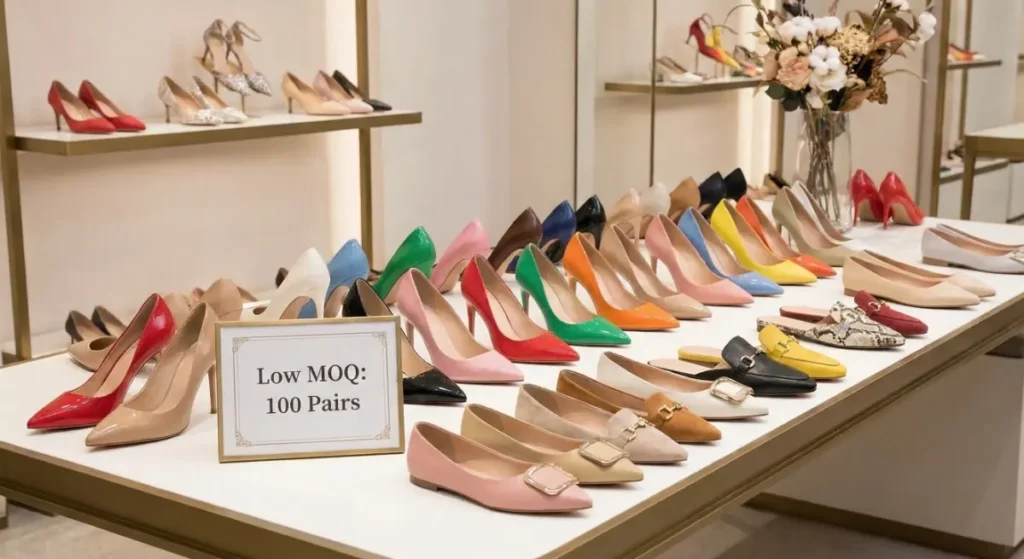
Wholesale distributors operate with a different set of priorities compared to chain stores. They often serve independent boutiques and need products that offer high margins. For these buyers, cost-efficiency is paramount, but they cannot sacrifice variety. They struggle with suppliers who demand astronomical Minimum Order Quantities (MOQs) or who lack product diversity.
Think about it… a wholesaler needs to test new products without committing their entire annual budget. TLSTAGE positions itself as an ideal partner by offering flexible requirements, specifically lower MOQs starting at 100 pairs for certain items.
Flexibility and Market Testing
Lower MOQs allow wholesalers to be more agile in their purchasing strategy.
- Market Testing: Procuring small batches of trendy items to test reaction before scaling up.
- Cash Flow: Reducing the capital tied up in unproven inventory.
- Scalability: The ability to quickly move from 100 pairs to 10,000 pairs once a trend is verified.
Logistics Optimization for Profit
The “One-Stop” aspect allows wholesalers to optimize shipping costs per unit, directly contributing to better margins.
- Container Optimization: Filling containers with a mix of shoes, bags, and socks.
- Landed Cost Reduction: Avoiding high per-unit costs associated with fragmented LCL shipments.
- Simplified Customs: Dealing with a single commercial invoice streamlines import procedures.
Wholesale Margin Strategy
This table illustrates how flexibility drives profitability for wholesalers:
| Challenge | Impact on Business | Strategic Solution |
|---|---|---|
| High MOQs | Risk of overstocking untested styles. | Flexible MOQs (100-300 pairs) for market validation. |
| Margin Pressure | Logistics costs eat into profits. | Consolidated shipping of mixed categories. |
| Inventory Stagnation | Slow trend adoption. | Fast sampling to get trending styles in stock quickly. |
| Limited Variety | Boring catalogs lose boutique clients. | Extensive ODM catalog of heels, jeans, and bags. |
Key Takeaway: Flexible MOQs and consolidated shipping allow wholesalers to protect their cash flow while maximizing the variety they offer to their boutique clients.
7. Navigating ODM vs. OEM Strategies
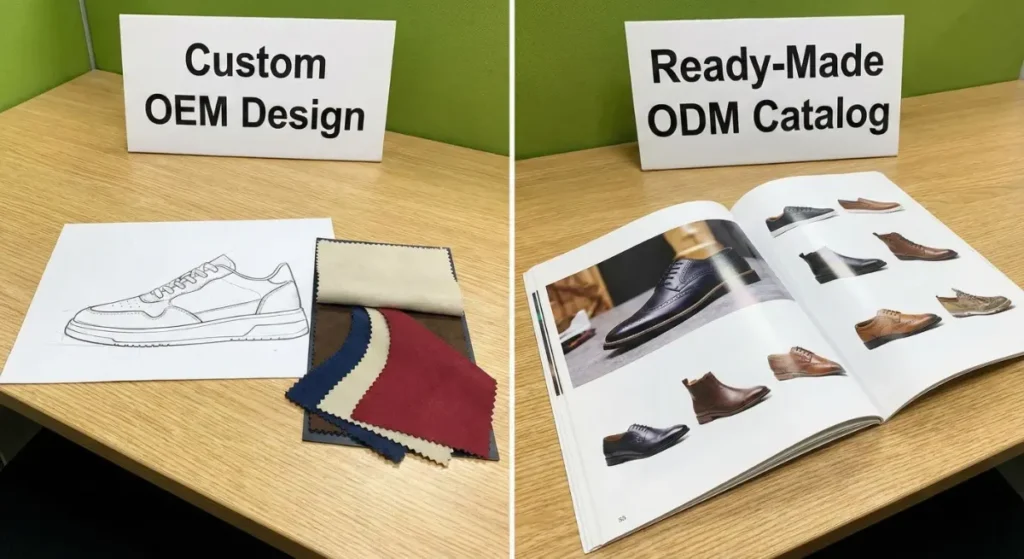
Understanding the distinction between ODM and OEM is vital for B2B transactions. OEM (Original Equipment Manufacturing) implies that the buyer provides the specific design tech packs, and the factory simply produces it. ODM (Original Design Manufacturing) means the manufacturer provides the design and the product, which the buyer then brands as their own.
It gets better… TLSTAGE offers both, providing immense flexibility that allows them to serve different types of buyers simultaneously. This dual capability is a hallmark of a sophisticated Women’s Footwear Manufacturer in China.
The OEM Pathway: Realizing Your Vision
For creative brands with specific design requirements, OEM is the standard.
- Technical Expertise: Translating a sketch into a technical shoe mold.
- Customization: Full control over materials, hardware, and branding.
- Exclusivity: Ensuring the design is unique to your brand.
The ODM Pathway: Speed and Efficiency
For buyers needing “ready-to-sell” collections, ODM offers significant advantages.
- Reduced R&D: Skipping the design and prototyping phase saves months of time.
- Cost Savings: Avoiding mold-opening costs (often $2,000+ per style).
- Market Tested: Leveraging designs that have already shown market potential.
Comparison of Service Models
The table below helps buyers decide which model fits their current needs:
| Feature | OEM (Custom Design) | ODM (Ready-Made) |
|---|---|---|
| Design Source | Provided by Client | Provided by TLSTAGE |
| Development Time | Long (Prototyping Required) | Short (Select & Brand) |
| Setup Costs | High (Molds/Tooling) | Low (Existing Tooling) |
| Ideal For | Designer Brands | Fast Fashion / Wholesalers |
Key Takeaway: Whether you need to bring a unique vision to life (OEM) or quickly fill a seasonal gap with proven styles (ODM), a dual-service manufacturer provides the necessary flexibility.
8. Guangzhou: The Strategic Manufacturing Hub
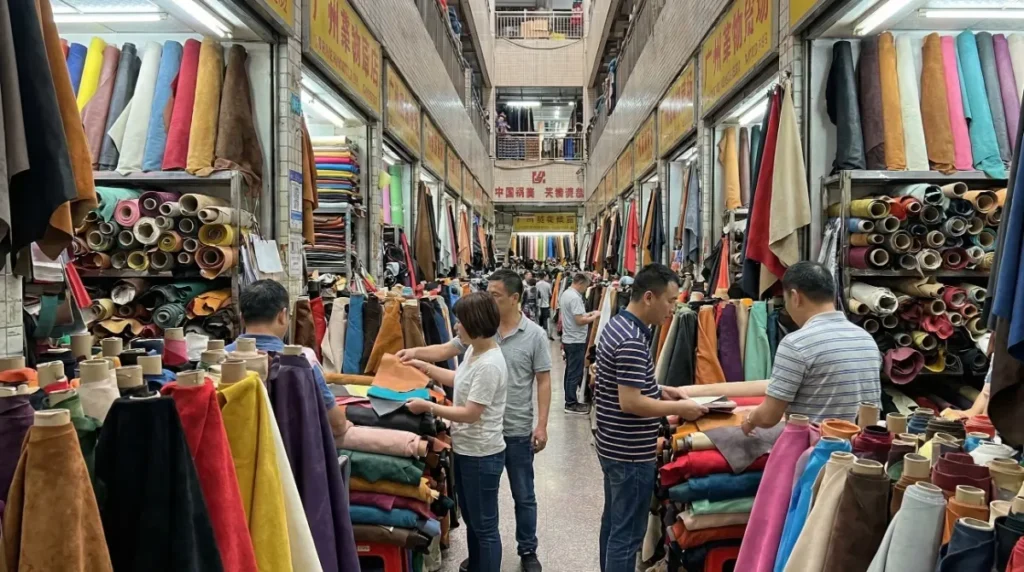
Location plays a massive role in the efficiency of any manufacturing partnership. Guangzhou is the heart of the global fashion supply chain. Being based here gives TLSTAGE immediate access to vast material markets for leather, synthetics, denim, and hardware.
Why does this matter? When a trend spikes—say, a sudden demand for metallic leather heels—a factory in Guangzhou can source the material within hours, whereas a remote factory might take weeks.
Proximity to Upstream Supply
The ecosystem in Guangzhou supports rapid response times.
- Material Access: Immediate availability of diverse fabrics and leathers reduces delays.
- Quality Control: Ability to inspect raw materials before they enter the production line.
- Innovation: Early access to new material technologies and trends emerging in the market.
Infrastructure and Logistics
For foreign buyers, Guangzhou acts as a mature logistical hub.
- Shipping Speed: Excellent port infrastructure ensures goods move quickly from factory to vessel.
- Skilled Labor: A deep pool of experienced shoemakers ensures better finishing and durability.
- Support Services: Access to third-party inspection agencies and freight forwarders.
Geographic Advantage Analysis
This table breaks down why location drives efficiency:
| Advantage | Description | Business Impact |
|---|---|---|
| Material Sourcing | Access to vast wholesale markets. | Rapid response to emerging material trends. |
| Logistics Hub | Mature shipping infrastructure. | Reduced transit times to international ports. |
| Skilled Labor | Experienced footwear workforce. | Higher quality finishing and lower defect rates. |
| Ecosystem | Proximity to component suppliers. | No delays waiting for heels, soles, or zippers. |
Key Takeaway: A factory’s location dictates its speed and quality ceiling. Guangzhou’s ecosystem allows TLSTAGE to prototype, refine, and ship faster than competitors in isolated regions.
9. Competitive Advantages for Supply Stability
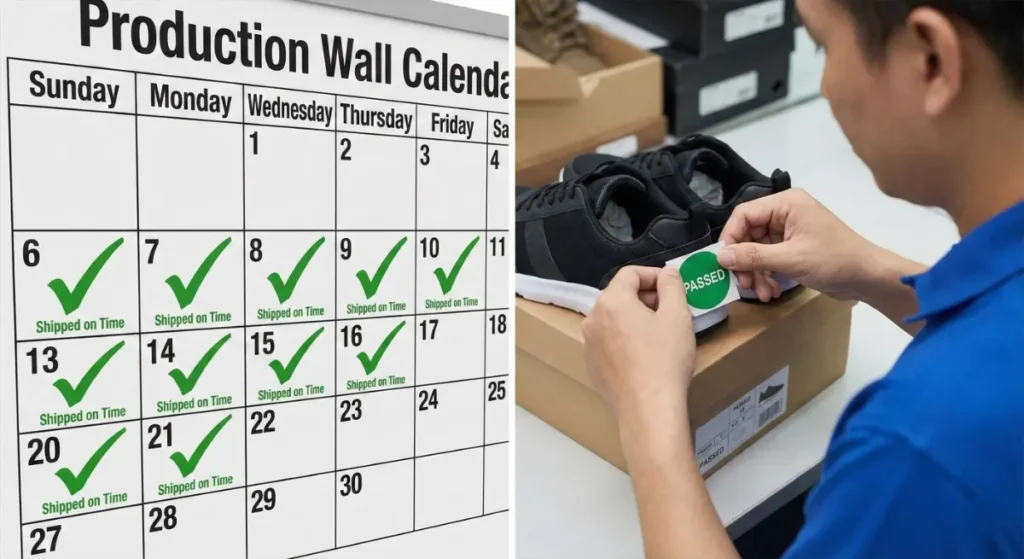
In the volatile world of fashion, stability is the ultimate currency. TLSTAGE has identified several competitive advantages that directly address buyer anxiety regarding supply chain disruptions. Their commitment to “Stable Lead Times” is perhaps the most significant differentiator.
The best part? This promise is backed by a mature production management system that tracks every stage from material cutting to final packaging. They do not overpromise and underdeliver; they provide realistic schedules and stick to them.
The Service-Oriented Difference
Many Chinese factories focus solely on production volume, neglecting the client experience. TLSTAGE differentiates itself through service.
- Communication: Clear, proactive updates via email and social media.
- Trust Building: A commitment to long-term relationships rather than one-off deals.
- Quality Assurance: Rigorous pre-production, in-line, and pre-shipment inspections.
Stability and Trust Metrics
The following advantages ensure that your supply chain remains unbroken:
| Advantage | Benefit to Buyer | Impact on Business |
|---|---|---|
| Fast Samples | Rapid decision making (7 days). | Faster time-to-market for new trends. |
| Flexible MOQs | Lower inventory risk. | Better cash flow management and testing capabilities. |
| Timely Quotes | Efficient budget planning (24 hours). | Faster negotiation and procurement cycles. |
| Consistent Quality | Reduced return rates. | Protected brand reputation and customer loyalty. |
Key Takeaway: Stability is achieved through a combination of realistic planning, rigorous quality control, and a service culture that values the buyer’s long-term success.
10. Initiating Your Strategic Sourcing Journey
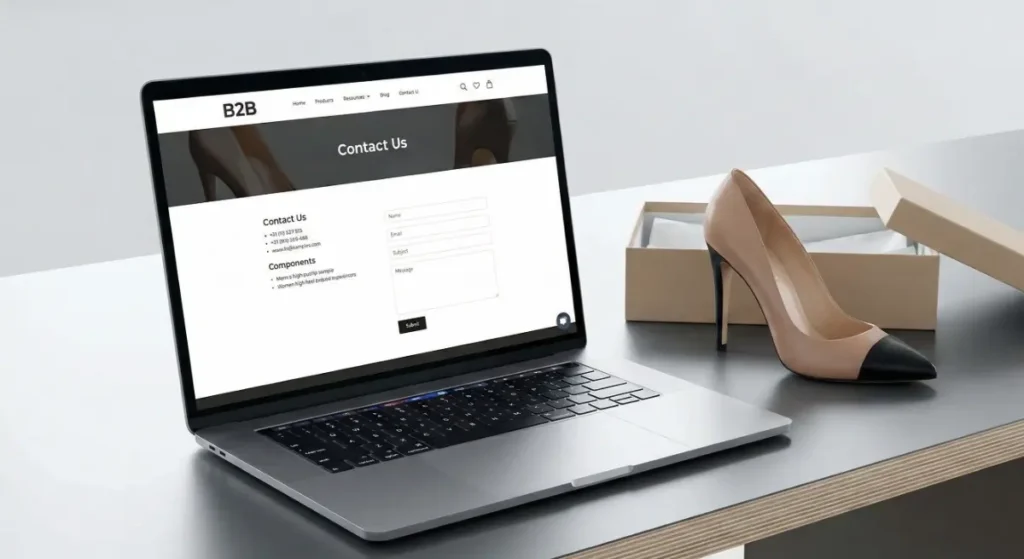
Initiating a partnership with TLSTAGE begins with clear, strategic communication. Prospective buyers should leverage the company’s digital presence to open a dialogue efficiently.
What is the bottom line? Western buyers should prepare detailed inquiries, specifying whether they need OEM or ODM services, and include target price points and volume estimates. Reach out via their self-built B2B website or social media channels for a quick response.
Digital Communication and Verification
For modern buyers, digital communication bridges the distance.
- Remote Collaboration: Utilizing email and social platforms to bridge time zones.
- Sample Verification: Requesting samples immediately to verify the “Fast Sample Production” claim.
- Trial Runs: Starting with a small order to evaluate quality before a full rollout.
Steps to Engagement
This checklist ensures a smooth onboarding process with your new partner:
| Step | Action | Objective |
|---|---|---|
| 1. Inquiry | Send detailed specs/needs via Contact Page. | Establish capability and receive a quote. |
| 2. Sampling | Request a prototype (OEM) or sample (ODM). | Verify quality, fit, and material standards. |
| 3. Trial Order | Place a small run (e.g., 100 pairs). | Test production speed and logistics smoothness. |
| 4. Partnership | Review results and plan seasonal volume. | Establish a long-term supply agreement. |
Key Takeaway: Start with a clear inquiry and a sample order. This step-by-step approach minimizes risk and establishes a foundation for a long-term partnership built on mutual trust.
Conclusion
Partnering with a capable Women’s Footwear Manufacturer in China like TLSTAGE offers Western buyers a strategic pathway to efficiency and profitability. By combining ODM and OEM services with a strategic location in Guangzhou, TLSTAGE addresses the critical pain points of diverse buyer personas, from large chain stores to agile wholesalers.
Their focus on stability, quality consistency, and one-stop sourcing for shoes and apparel makes them a formidable ally in the competitive fashion industry. Buyers seeking to optimize their supply chain should consider the tangible benefits of working with a supplier that prioritizes service as much as production. For more information on their capabilities, visit their About page or explore their Product catalog.
FAQ
Q1: What is the primary product focus of TLSTAGE?
TLSTAGE primarily focuses on manufacturing women’s high heels and women’s jeans. While they offer a one-stop sourcing solution that includes bags, belts, socks, and hats, their core expertise and production strengths lie in fashionable footwear and denim apparel for the B2B market.
Q2: How does TLSTAGE handle the needs of large chain store buyers?
For large buyers like chain stores, TLSTAGE offers stable lead times, consistent quality control across large batches, and timely price quotations. They understand the logistics of high-volume orders and provide the reliability required to keep hundreds of physical stores stocked without interruption.
Q3: What is the difference between the ODM and OEM services offered?
TLSTAGE provides both. OEM (Original Equipment Manufacturing) is where the client provides the design and TLSTAGE manufactures it. ODM (Original Design Manufacturing) allows clients to choose from TLSTAGE’s existing designs and catalogs, which the client can then brand as their own, saving on design time.
Q4: Can TLSTAGE assist with sourcing accessories other than shoes?
Yes, they offer a “One-Stop Sourcing” service. In addition to shoes and jeans, they manufacture and source complementary fashion items such as handbags, belts, socks, and hats. This allows buyers to create coordinated collections and consolidate shipments from a single supplier.
Q5: What are the main export markets for TLSTAGE?
TLSTAGE exports to a diverse range of international markets. Their primary export destinations include the United Kingdom, the United States, Vietnam, Thailand, Italy, Portugal, Spain, and Uruguay. This experience ensures they are familiar with various international quality standards and consumer preferences.